
Bucida
Bucida
Bucida is a genus of evergreen trees and shrubs belonging to the Combretaceae family. Native to tropical regions of the Americas and the Caribbean, these plants are well-adapted to coastal conditions, showcasing impressive environmental resilience.
What the section contains


Bucida
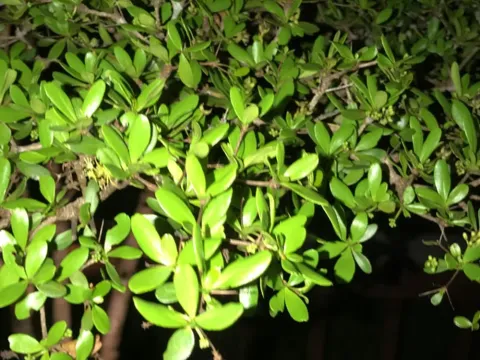
The botanical structure of Bucida is defined by its dense canopy and small, leathery leaves, which help the plant minimize water loss in hot, sunny climates. The wood of this genus is exceptionally dense, often referred to as olive wood due to its structural properties.
For successful growth, Bucida requires well-drained, nutrient-rich soil with a neutral pH. The plant performs best in locations with high humidity and consistent access to bright, indirect sunlight, though it can tolerate full sun once established.
Climate requirements include constant warm temperatures, ideally between 22 and 28 degrees Celsius. The species is highly sensitive to frost and cold drafts, making it suitable for tropical cultivation or greenhouse management in cooler latitudes.
Agrotechnical management involves regular pruning to maintain the desired shape, as the plant responds very well to structural trimming. Watering should be deep but infrequent, ensuring the root ball is not sitting in saturated, waterlogged soil.
The primary threats to Bucida include root rot and fungal infections, typically triggered by improper irrigation or poor drainage. Monitoring the moisture level of the substrate is essential to prevent these physiological disorders.
Pests such as scale insects, mealybugs, and spider mites can pose a significant challenge in enclosed environments. These pests thrive in dry air, so maintaining proper ambient humidity is a key preventative measure.
Leaf drop is a common symptom of stress, often caused by sudden changes in temperature, light intensity, or watering frequency. Keeping environmental factors stable is the best way to ensure the tree maintains its dense, green appearance.
Preventative maintenance requires periodic cleaning of the foliage to allow the plant to breathe and to remove potential breeding grounds for minor infestations. Using soft brushes or gentle water sprays is highly effective.
In cases of severe infestation, targeted applications of insecticidal soaps or systemic pesticides are required. Always perform a spot test on a few leaves before applying any chemical treatment to the entire canopy.