
Combretum laxum
Combretum laxum
Description
Growing requirements
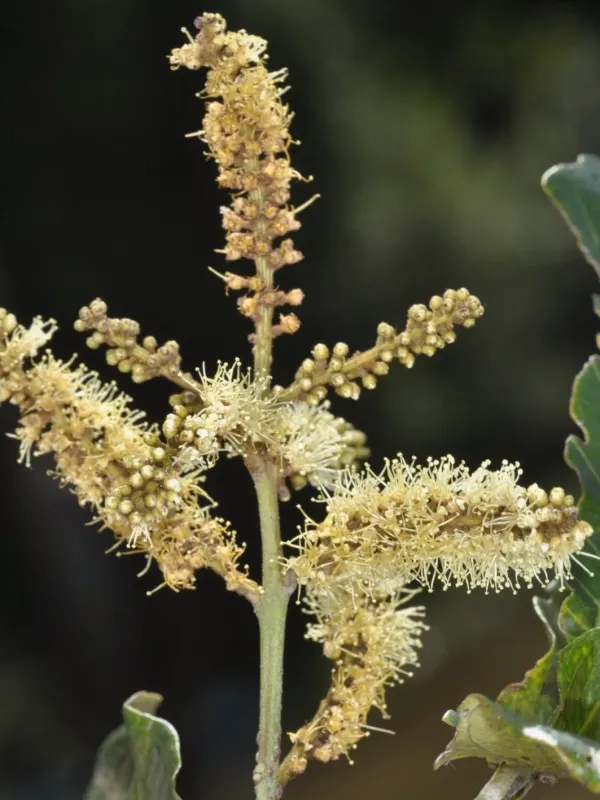
Combretum laxum is a woody vine belonging to the Combretaceae family, native to the tropical ecosystems of South America.
This species thrives in high-temperature environments, requiring consistent warmth and high humidity levels for optimal physiological development.
The ideal soil for this crop is a well-drained, nutrient-rich substrate, preferably with a slightly acidic profile to support its root system.
It is a light-demanding plant, and adequate solar radiation is necessary to maintain its vigorous growth and reproductive cycle.
Strategic irrigation management is vital, as the plant demands constant moisture levels while being sensitive to anaerobic soil conditions.
Main diseases and pests
The crop is susceptible to various fungal pathogens that flourish in stagnant, humid environments, leading to rapid stem and root decay.
Pest populations such as scale insects and mealybugs can pose a significant challenge by draining plant sap and reducing overall vigor.
Effective management requires regular sanitation of the planting area and the removal of any diseased plant material to contain outbreaks.
Integrated pest management strategies are recommended to mitigate damage while maintaining the health of the surrounding ecosystem.
Crop monitoring should focus on early identification of symptoms, particularly during the transition between rainy and dry seasons.