
Combretum wattii
Combretum wattii
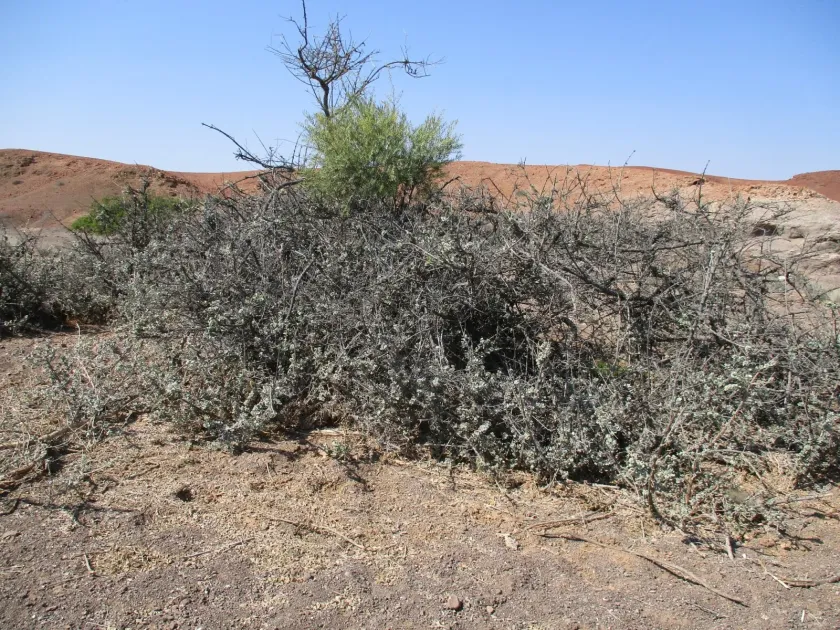
Description
Growing requirements
Combretum wattii is a distinct shrub species belonging to the Combretaceae family. Native to the southern regions of Africa, it has evolved to thrive in semi-arid environments, demonstrating significant resilience to harsh weather conditions.
The plant performs best in well-draining, sandy or loamy soils. These substrate types prevent water accumulation, which is crucial for a species that is highly susceptible to root decay if kept in constantly damp environments for extended periods.
Full sun exposure is a mandatory requirement for healthy development. Combretum wattii requires a high intensity of light to maintain its structural integrity and metabolic activity, making it unsuitable for shaded indoor or under-canopy environments.
Regarding climate, this plant is strictly thermophilic. It thrives in temperature ranges between 20°C and 35°C. Exposure to temperatures below 10°C is typically detrimental and can lead to irreversible cellular damage if the plant is not properly protected.
Agrotechnical management includes moderate irrigation strategies. During the growing season, deep but infrequent watering is preferred over frequent shallow watering to encourage deep root penetration, which mimics natural rainfall patterns in its native savanna habitat.
Harvesting
The economic value of Combretum wattii is primarily linked to its ethnobotanical applications. Various parts of the plant, including leaves and bark, are harvested for their high concentration of tannins and other phytochemicals.
Harvesting should be conducted using professional pruning techniques to ensure the longevity of the individual plant. Indiscriminate harvesting can severely impact the future vigor and growth cycles of the shrub, limiting overall biomass production.
Post-harvest processing involves rapid drying in controlled environments to prevent the degradation of active chemical constituents. Shade drying with adequate airflow is the recommended method to maintain the highest quality of the harvested materials.
In landscape management, the harvest of biomass is often integrated with seasonal trimming. This dual-purpose approach helps maintain a desired architectural form while simultaneously collecting useful botanical components for research or traditional use.
Productivity remains dependent on soil fertility management. A balanced nutrient application plan, focused on trace elements, is essential for sustaining long-term yields and ensuring that the shrub remains healthy throughout its productive life cycle.