
Combretum acuminatum
Combretum acuminatum
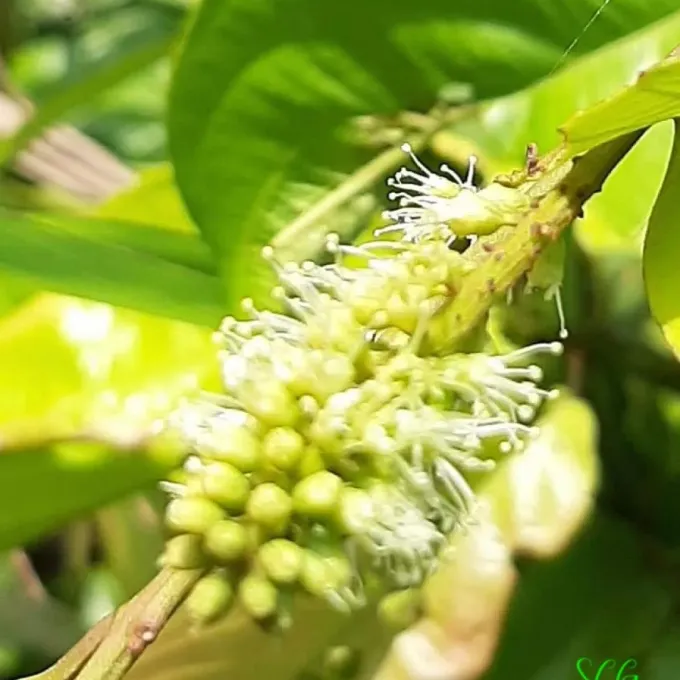
Description
Growing requirements
Combretum acuminatum belongs to the Combretaceae family, which is widely recognized for its diverse tropical species and medicinal properties.
The plant thrives in tropical environments, requiring consistent warm temperatures throughout the year to maintain its vegetative growth cycle.
Ideal soil conditions for this crop involve well-draining textures with adequate moisture retention but no risk of waterlogging, which can prove fatal to the root system.
Botanically, this species is noted for its acuminated leaf structure and its ability to adapt to different light intensities, depending on its specific geographic origin.
The economic value of this plant is largely derived from traditional medicinal practices, where specific extracts are used for their bioactive compounds.
Main diseases and pests
Common agricultural pests such as spider mites and scale insects represent the most significant threat to the overall vigor of the plant.
Fungal diseases, specifically those affecting the foliage, are prevalent when air humidity levels remain constantly high without sufficient ventilation.
Root rot is considered a major agronomic issue resulting from poor soil management practices and improper drainage systems in the field.
Integrated pest management strategies are recommended to keep the population of insects low while maintaining the ecological balance around the crop.
Regular monitoring of plant health and rapid identification of early disease symptoms are essential components of successful long-term cultivation.