
River bushwillow
Combretum erythrophyllum
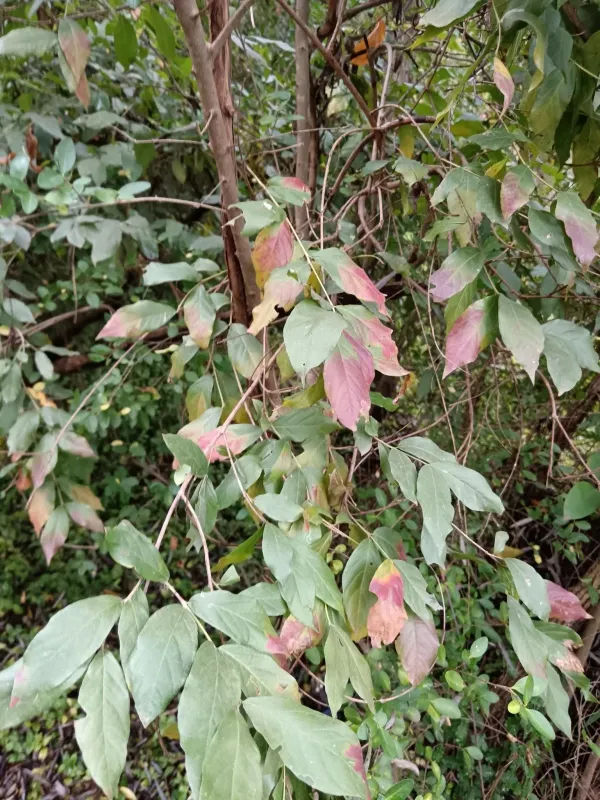
Description
Growing requirements
The River bushwillow belongs to the Combretaceae family and is an attractive, fast-growing tree native to southern African riverbeds and floodplains.
Botanically, it is characterized by its spreading crown and distinct foliage that transitions from vibrant green to striking reddish-brown shades throughout the year.
Regarding climatic needs, this species thrives in warm temperate to tropical conditions and requires a location with full sun exposure to maintain its healthy growth rate.
Soil requirements involve well-drained but moisture-retentive loam, which mimics the nutrient-rich alluvial environments found in its original habitat.
Management practices for this crop include consistent irrigation during early stages of development and periodic pruning to maintain a strong, balanced structure for landscape use.
Main diseases and pests
Primary threats to the River bushwillow include root rot pathogens, which are often triggered by waterlogged conditions that inhibit root respiration.
Common pests include aphids and scale insects, which can cause significant stress to young trees by extracting plant sap from the foliage and tender stems.
For effective disease management, ensuring proper soil aeration and avoiding excessive overhead watering are critical steps in preventing fungal establishment.
If an infestation occurs, horticultural oils or appropriate systemic insecticides can be utilized to manage insect populations without causing environmental harm.
Maintaining tree vigor through proper site selection and balanced fertilization is the most effective way to improve natural resistance against common environmental threats.