
Combretum adenogonium
Combretum adenogonium
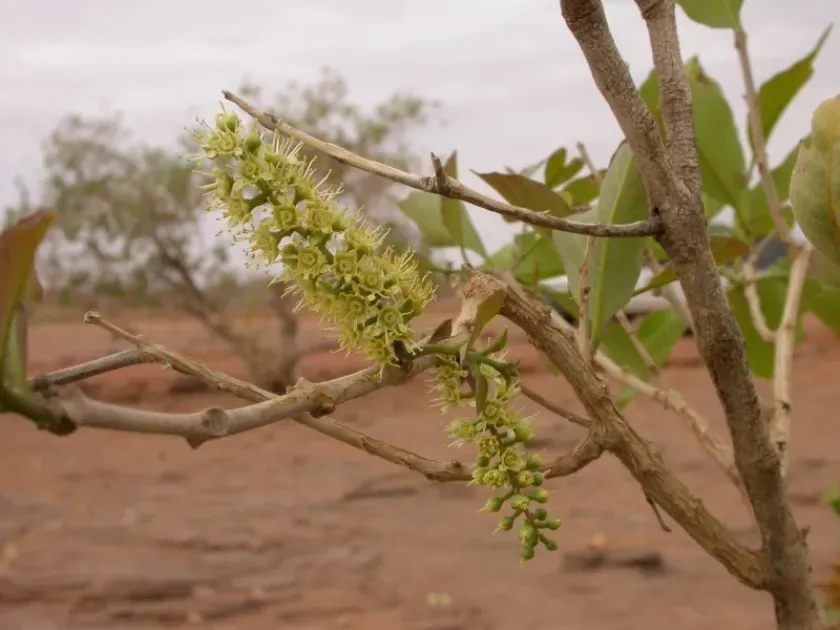
Description
Growing requirements
Combretum adenogonium is a species of tree or shrub belonging to the Combretaceae family. It is widely recognized for its robust nature and adaptability to various tropical environmental conditions in Africa.
The plant originates from the tropical savanna regions of Africa, where it thrives in areas with distinct dry and wet seasons. This evolutionary history makes it highly drought-tolerant compared to many other agricultural crops.
Ideal growing conditions include well-drained soils, ranging from sandy loams to rocky substrates. The plant is known for its ability to grow in nutrient-poor environments, making it suitable for reforestation and soil stabilization projects.
Regarding climate, this species requires constant high temperatures and full sunlight exposure. It is highly sensitive to frost, which limits its commercial cultivation to frost-free tropical and subtropical zones.
Proper agronomic practice involves ensuring adequate spacing between individual plants to prevent crown overcrowding and to maximize the photosynthetic efficiency of the leaves.
Yield
The primary utility of Combretum adenogonium lies in its medicinal properties. The leaves and bark are harvested for their anti-inflammatory and antiseptic compounds, which are valuable in traditional healthcare systems.
Beyond medicine, the wood is utilized for its density and durability. It is frequently employed in the construction of rural infrastructure and the creation of hand-crafted agricultural tools.
In terms of production, the yield of foliage can be managed through sustainable harvesting cycles. Careful pruning ensures that the plant continues to produce new biomass throughout the growing season.
The plant also produces distinctive winged fruits that can be harvested for seed production, facilitating the propagation of the species in nurseries and experimental agricultural farms.
Integration of this plant into agroforestry systems provides an additional economic benefit, as it enriches the soil and provides shade for smaller, sensitive intercropped species.
Main diseases and pests
Common pathological threats include fungal leaf spots, which often emerge during periods of high humidity. Regular canopy inspections are necessary to detect and treat these infections early.
Insects like larvae and sap-sucking pests can impact the development of younger plants. Implementing integrated pest management strategies helps to protect the plant while maintaining the quality of its medicinal properties.
Weed management is critical during the establishment phase. The presence of aggressive grasses can deplete soil moisture and nutrients, severely restricting the initial growth rate of the saplings.
Large mammals or livestock can cause mechanical damage to the bark. Implementing protective fencing around cultivated plots is an essential practice to ensure the longevity of the trees.
Root rot is a potential risk if the soil remains waterlogged for extended periods. Selecting elevated sites or improving soil structure with organic amendments can effectively mitigate this hazard.