
Combretum psidioides
Combretum psidioides
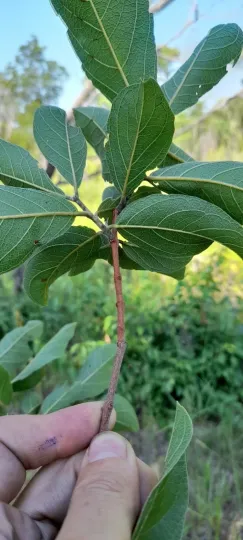
Description
Growing requirements
Combretum psidioides is a woody shrub or small tree belonging to the Combretaceae family, widely recognized for its adaptation to arid tropical environments.
The plant originates from the southern and central regions of Africa, where it thrives in woodland savannas and open forest clearings with sandy textures.
It prefers well-drained, acidic to neutral soil profiles, as the species is sensitive to waterlogging which can trigger root rot in younger specimens.
Optimal growth occurs in tropical climates with clear seasonality, allowing the plant to undergo a period of dormancy during the peak of the dry season.
The species exhibits remarkable xerophytic traits, including thickened foliage and a deep-reaching root system designed to access stored subsurface moisture.
Main diseases and pests
In its native habitat, the species is frequently susceptible to infestations by defoliating larvae which can significantly reduce the photosynthetic area.
Wood-boring insects represent a major agricultural challenge, as they can weaken the structure of the stem and facilitate fungal infections in the wood.
Soil-borne pathogens may become an issue under cultivation if the planting medium lacks sufficient aeration or if the nitrogen levels are managed incorrectly.
Competition from fast-growing invasive grasses can severely restrict the growth of Combretum psidioides saplings by depriving them of water and nutrients.
Exposure to high-intensity wildland fires can be detrimental to young specimens, although established mature trees often show strong recovery capabilities.