
Combretum mossambicense
Combretum mossambicense
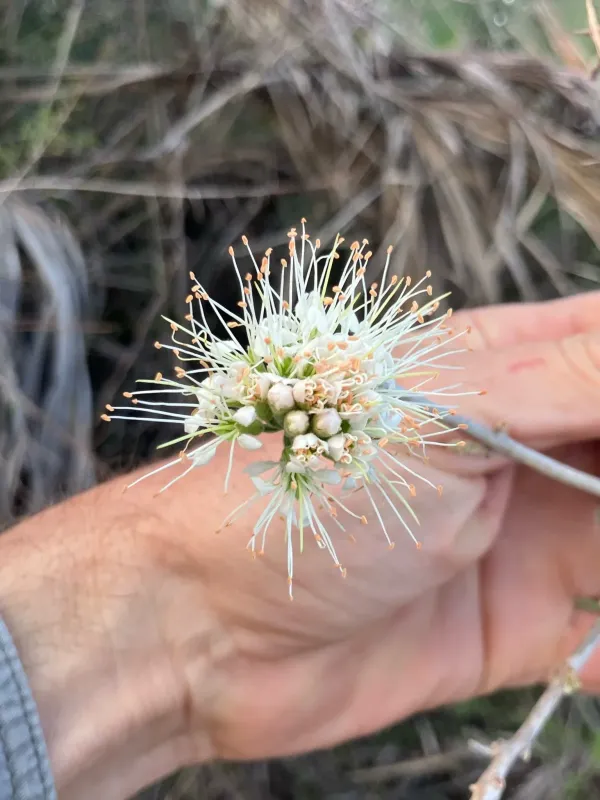
Description
Sowing dates
Propagation of Combretum mossambicense in an agricultural or garden setting is typically achieved through seeds or semi-hardwood cuttings. Seeds should be sown as soon as possible after harvesting to ensure high viability rates.
The growing medium for seeds must be light and well-draining, consisting of a mix of loam, sand, and organic matter. Maintaining a steady soil temperature between 22–25 degrees Celsius is crucial for consistent germination.
For cuttings, the use of root-promoting hormones is recommended. Cuttings should be placed in high-humidity environments, such as greenhouses or propagation boxes, with indirect light to prevent wilting.
Transplanting seedlings to their final location is best performed at the onset of the rainy season to allow the root system to establish itself before the arrival of the dry season.
When planting on a larger scale, a spacing of at least 2.5 to 3 meters between individual plants is necessary to allow for crown expansion and air movement, which reduces the risk of foliar diseases.
Growing requirements
Combretum mossambicense is a woody shrub or climber belonging to the Combretaceae family, native to tropical African regions. It thrives in full sun exposure and requires significant space for its sprawling habit.
The culture is highly drought-tolerant, which makes it ideal for arid tropical climates. However, regular irrigation during the growing season is necessary to encourage vigorous vegetative growth and blooming.
Soil requirements focus on neutral to slightly acidic pH levels. Excellent drainage is non-negotiable, as waterlogged conditions lead to rapid root rot and overall plant decline.
Climatically, this plant is sensitive to frost and requires frost-free conditions throughout the year. In subtropical regions, pots should be moved indoors or protected during cold spells to ensure survival.
Agrotechnical maintenance includes annual pruning, which serves to control the size of the plant and stimulates the growth of new flowering branches. This practice also improves the aesthetic quality of the specimen.
Main diseases and pests
Spider mites and scale insects are the primary pests affecting this culture, especially when ambient humidity levels are low. Regular monitoring and misting can help deter these infestations.
Fungal root diseases are common if the soil remains excessively moist. To mitigate these risks, it is essential to ensure that the potting mix or field soil has excellent permeability.
Powdery mildew may occur on the leaves if the canopy becomes too dense and airflow is restricted. Pruning for better structure and using prophylactic fungicide treatments can manage these outbreaks.
Caterpillars and leaf-feeding larvae can damage younger foliage during the early stages of growth, requiring timely identification and mechanical removal or the use of mild insecticides.
Nutrient imbalances, particularly iron or magnesium deficiency, can lead to chlorosis if the soil pH is not correctly managed, highlighting the importance of regular soil testing.