
Combretum tetralophum
Combretum tetralophum
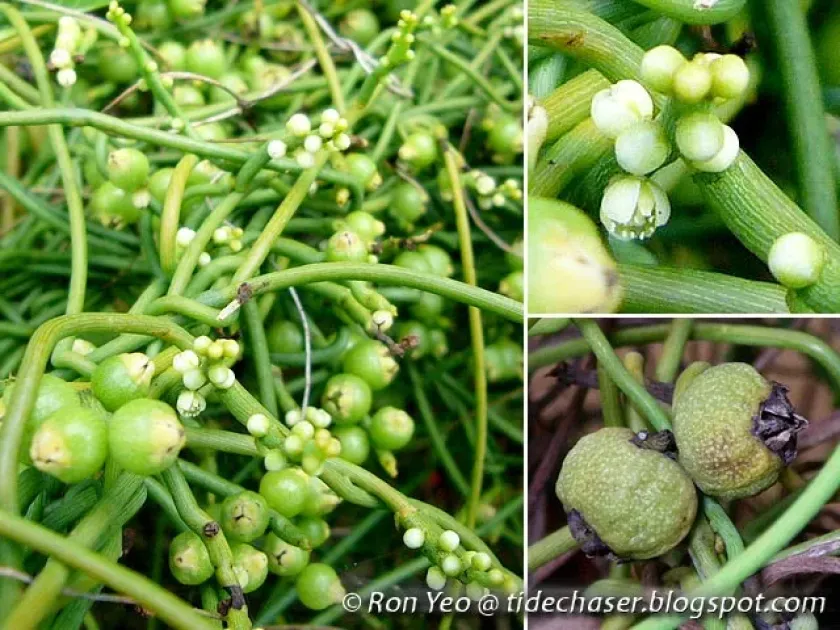
Description
Growing requirements
Combretum tetralophum belongs to the Combretaceae family and is recognized as a woody climber or shrub native to tropical regions. This species is adapted to warm environments and exhibits unique structural characteristics that allow it to thrive in diverse tropical habitats.
The crop requires consistent tropical temperatures, ideally staying between 20°C and 30°C for optimal growth. Exposure to cold stress must be avoided as it can severely impede metabolic processes and lead to significant damage of the primary vascular system of the plant.
Regarding soil requirements, the plant prefers well-drained, nutrient-rich substrates with a slightly acidic to neutral pH. Proper soil structure is essential to prevent root asphyxiation, which can occur rapidly in compacted or waterlogged heavy clay soils.
Light intensity plays a critical role in the development of Combretum tetralophum. As a sun-loving plant, it demands full exposure to direct sunlight to maintain robust growth and promote effective flowering, which is essential for its biological cycle.
Irrigation management should focus on maintaining adequate soil moisture while preventing permanent saturation. A cycle of moisture and slight drying is typically preferred, mimicking the natural precipitation patterns of its native tropical zones.
Main diseases and pests
Fungal pathogens are among the most significant threats, especially in humid environments where airflow is restricted. Diseases such as leaf spot can rapidly spread, leading to canopy thinning and reduced photosynthetic capacity of the plants.
Pests including aphids, mites, and various scale insects frequently attack the succulent new growth of the plant. These pests suck nutrients from the leaves, causing curling, yellowing, and an overall decline in the plant's health and vigor.
Root diseases, particularly those caused by Pythium or Phytophthora species, are common threats if soil drainage is compromised. These pathogens can cause widespread wilting and eventual death of the plant if not addressed through sanitation and fungicides.
Effective management requires regular scouting and physical inspection of the foliage for early signs of infestation. Implementing a strategy of preventive pruning helps to increase internal airflow and reduces the risk of moisture accumulation.
Integrated Pest Management (IPM) practices are highly recommended to balance productivity and environmental sustainability. Using beneficial insects and biological controls is often more effective and safer than relying exclusively on synthetic chemical interventions.