
Combretum molle
Combretum molle
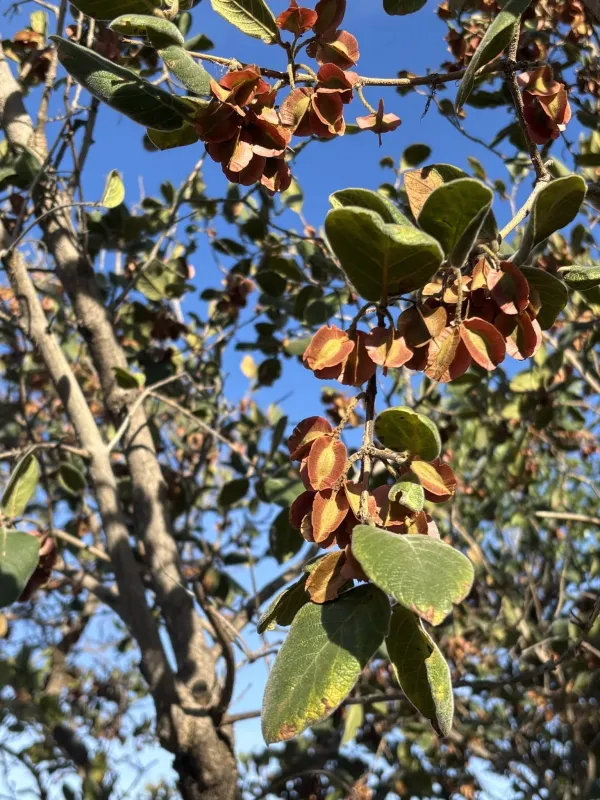
Description
Growing requirements
Combretum molle, commonly known as the velvet bushwillow, is a deciduous tree belonging to the Combretaceae family. It is widely recognized for its distinctive hairy leaves and small, yellowish, fragrant flowers.
Native to Africa, this species is typically found in wooded grasslands and savannas. Its distribution spans across the continent, adapting to diverse altitudes and environmental conditions found in sub-Saharan regions.
The tree thrives in well-drained soils, showing a preference for rocky or gravelly substrates. It possesses a remarkable ability to survive in environments where nutrient availability is relatively low.
Climatically, it requires a distinct dry season to complete its annual cycle effectively. While it is hardy and drought-tolerant, it requires full sunlight to achieve its maximum growth potential in a cultivation setting.
Beyond its ecological value, the tree is highly regarded for its medicinal properties. Extracts from its roots and leaves are used to treat various conditions, making it a plant of significant socioeconomic interest.
Main diseases and pests
Fungal pathogens represent a primary threat to the vitality of Combretum molle. Specifically, root rot caused by poor soil drainage can severely impact young trees and limit their establishment in new areas.
Insects, particularly defoliating beetles and certain species of caterpillars, can cause significant damage to the canopy. Infestations are more prevalent during periods of rapid growth if the trees are stressed.
To mitigate these risks, maintaining proper spacing between trees is crucial to ensure adequate air circulation. This reduces humidity within the canopy and inhibits the development of fungal spores.
Sustainable agronomic practices suggest that physical monitoring and manual removal of infested branches are effective for small-scale plantings. Chemical interventions should be limited to protect medicinal leaf quality.
Vigilance during the wet season is essential, as this is when the environment is most conducive to the rapid spread of pathogens and the proliferation of harmful insect populations.