
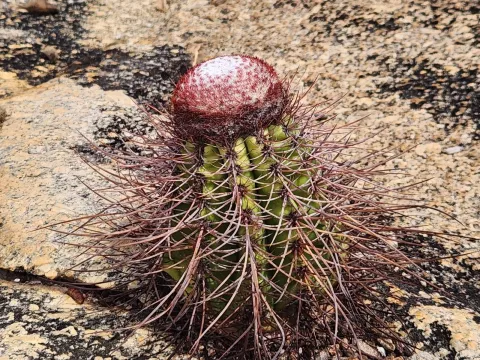
Melocactus
Melocactus
Propagating Melocactus is primarily achieved through seeds, as vegetative division is rarely successful due to the plant's unique growth structure. Sowing should ideally occur in the spring to capitalize on increasing daylight hours, which promotes robust seedling development.
What the section contains
 Melocactus azureus
Melocactus azureus
Melocactus azureus
 Melocactus bahiensis
Melocactus bahiensis
Melocactus bahiensis
 Melocactus braunii
Melocactus braunii
Melocactus braunii
 Melocactus broadwayi
Melocactus broadwayi
Melocactus broadwayi
 Melocactus caroli-linnaei
Melocactus caroli-linnaei
Melocactus caroli-linnaei
 Melocactus conoideus
Melocactus conoideus
Melocactus conoideus
 Melocactus curvispinus
Melocactus deinacanthus
Melocactus deinacanthus
Melocactus curvispinus
Melocactus curvispinus
Melocactus deinacanthus
Melocactus deinacanthus
 Melocactus ernestii
Melocactus ernestii
Melocactus ernestii
 Melocactus glaucescens
Melocactus glaucescens
Melocactus glaucescens
 Melocactus harlowii
Melocactus harlowii
Melocactus harlowii
 Melocactus intortus
Melocactus intortus
Melocactus intortus
 Melocactus lanssensianus
Melocactus lanssensianus
Melocactus lanssensianus
 Melocactus levitestatus
Melocactus levitestatus
Melocactus levitestatus
 Melocactus macracanthos
Melocactus macracanthos
Melocactus macracanthos
 Melocactus matanzanus
Melocactus matanzanus
Melocactus matanzanus
 Melocactus mazelianus
Melocactus mazelianus
Melocactus mazelianus
 Melocactus neryi
Melocactus neryi
Melocactus neryi
 Melocactus oreas
Melocactus oreas
Melocactus oreas
 Melocactus paucispinus
Melocactus paucispinus
Melocactus paucispinus
 Melocactus peruvianus
Melocactus peruvianus
Melocactus peruvianus
 Melocactus pruinosus
Melocactus pruinosus
Melocactus pruinosus
 Melocactus salvadorensis
Melocactus schatzlii
Melocactus schatzlii
Melocactus salvadorensis
Melocactus salvadorensis
Melocactus schatzlii
Melocactus schatzlii
 Melocactus smithii
Melocactus smithii
Melocactus smithii
 Melocactus zehntneri
Melocactus zehntneri
Melocactus zehntneri
Melocactus
The growing medium for seeds must be well-draining, consisting of a mix of sand, fine gravel, and organic peat or potting soil. Sterilizing the substrate before sowing is a standard agricultural practice to minimize the risk of damping-off and fungal infections.
Temperature during germination should remain constant, ideally between 25 and 28 degrees Celsius. Maintaining high humidity during the first weeks is essential; however, air circulation must be introduced gradually once the seedlings begin to sprout.
Seedlings grow at a slow pace, requiring meticulous care and consistent conditions. Pricking out or transplanting the young cacti should only be performed after they have developed significant spines and a sturdy root structure, typically a year after initial sowing.
Selecting shallow containers with appropriate drainage holes is critical for the early stages. This setup prevents excess moisture accumulation near the sensitive roots, which is the leading cause of mortality in juvenile Melocactus specimens.
Melocactus is a genus in the Cactaceae family, native to the tropical regions of the Caribbean, Central, and South America. Unlike arid-adapted desert cacti, this species thrives in environments where humidity and warmth are relatively high throughout the year.
The plant requires bright, indirect sunlight to maintain its color and form. While adult plants can handle some direct sun, they should be shielded from intense, scorching midday rays, especially in greenhouse conditions where temperatures can escalate rapidly.
The soil should be slightly acidic, nutrient-rich, and extremely porous. Incorporating perlite or crushed pumice into the standard cactus mix ensures that water flows freely through the soil, preventing waterlogging of the root system.
Temperature requirements are strict, as Melocactus cannot tolerate cold conditions. Temperatures should not drop below 15 degrees Celsius at any time. Tropical climates or heated indoor environments are necessary to ensure the plant continues its metabolic functions.
Watering must be regular to keep the soil slightly moist, yet it should never be waterlogged. Overwatering is a common mistake; the top layer of the soil should be allowed to dry slightly between waterings to prevent root suffocation.
Fungal rots are the most significant threat to Melocactus, particularly when the plant is kept in cool, damp conditions. Decay often starts at the root level and spreads rapidly to the fleshy stem, leading to total structural collapse if not addressed.
Spider mites are a persistent pest that feeds on the plant's epidermis, particularly around the cephalium—the specialized structure where the plant flowers. Their activity can cause unsightly scarring and inhibit the plant's ability to produce new growth.
Mealybugs are frequently found hiding in the dense clusters of spines, making them difficult to detect. These pests weaken the plant by extracting sap and can facilitate the secondary growth of sooty mold on the stem's surface.
Scale insects present another challenge, appearing as hard, shell-like bumps on the skin of the cactus. Regular inspection and localized treatment with systemic insecticides or horticultural oils are recommended to keep the infestation from spreading.
Preventive maintenance is key to health, involving periodic inspections of the root zone and ensuring adequate ventilation. By keeping the plant in an environment that mimics its natural tropical habitat, the risk of disease and pest infestation is substantially reduced.