
Melocactus macracanthos
Melocactus macracanthos
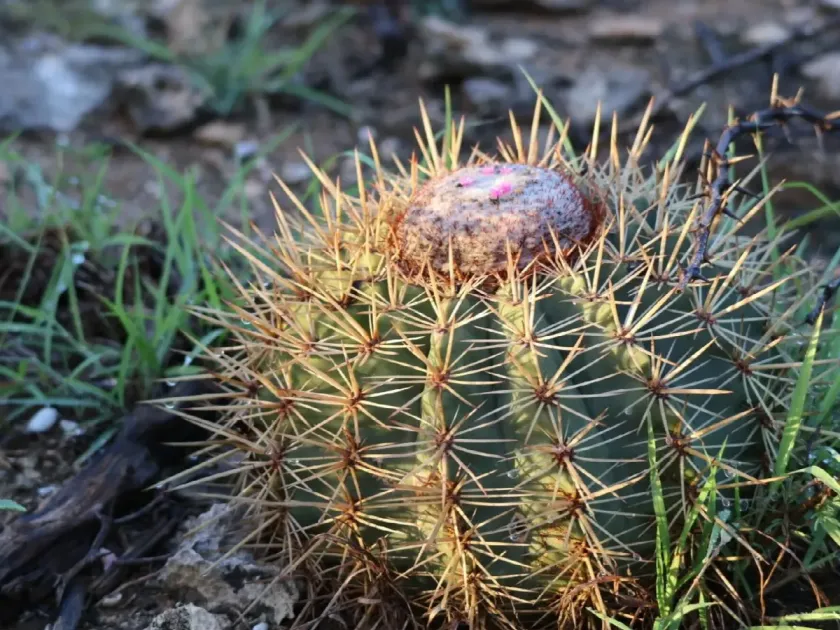
Description
Growing requirements
Melocactus macracanthos is a prominent species within the Cactaceae family, primarily recognized for its distinct cephalium, a woolly, bristle-covered structure that signifies the plant's maturity and flowering capacity.
Native to the Caribbean region and northern South America, this cactus thrives in arid, rocky environments. It is a warm-climate crop that requires significant exposure to direct sunlight for healthy growth and spine development.
Agronomic success depends heavily on thermal regulation. This species is sensitive to temperatures below 15°C and prefers consistent warmth, ideally between 24°C and 30°C throughout the primary growth season.
The growing medium must be highly porous. A typical mix for professional cultivation includes volcanic rock, coarse sand, and a small portion of organic potting soil, ensuring water drains immediately to prevent root asphyxiation.
In a commercial or ornamental context, Melocactus macracanthos serves as an aesthetic centerpiece in greenhouse collections, demanding meticulous environmental control to replicate the tropical arid conditions of its natural habitat.
Main diseases and pests
The primary agronomic threat to this species is fungal infection, particularly root rot, which typically stems from overwatering or inadequate soil drainage. Once rot enters the vascular system, the plant is often difficult to save.
Mealybugs are the most common pest observed on Melocactus macracanthos. They congregate in the crevices of the ribs and beneath the cephalium bristles, extracting sap and weakening the plant's structural integrity.
Spider mites pose a significant risk in low-humidity greenhouse environments. They cause stippling on the skin, which can lead to unsightly permanent damage that detracts from the plant's aesthetic value.
Integrated pest management is crucial. Growers should employ regular visual monitoring and, if necessary, apply targeted systemic acaricides to control mite populations before they reach economic threshold levels.
Proper airflow is the most effective preventative measure against both fungal pathogens and soft-bodied pests. Maintaining a dry, well-ventilated environment helps keep the epidermis tough and resistant to infestation.