
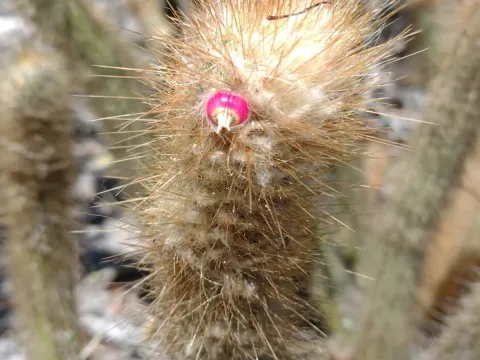
Micranthocereus
Micranthocereus
Micranthocereus is a genus of columnar cacti belonging to the Cactaceae family, native to the arid and rocky landscapes of Brazil. These plants have evolved to thrive in nutrient-poor, highly drained substrates, which is a critical factor for successful cultivation.
What the section contains


Micranthocereus
The climate requirements involve plenty of bright light, essential for maintaining the plant's structure and health. While they can tolerate full sun in their natural habitat, in greenhouse conditions, they require protection from scorching heat during the peak summer hours.
Soil composition must be inorganic-dominant. A mix consisting of grit, coarse sand, perlite, and a small amount of acidic soil is ideal to replicate the rock crevices where these cacti grow naturally, ensuring optimal airflow to the root system.
Watering management is the cornerstone of the plant's health. It should only be performed during the growing season when the substrate is entirely dry. Overwatering is the most common cause of failure, as it triggers rapid physiological stress and tissue collapse.
Temperature control should focus on mimicking a Mediterranean or tropical highland environment. Avoiding temperatures below 12°C during the resting phase is crucial to prevent chilling injury, which often manifests as unsightly surface blemishes.
The primary threats to Micranthocereus are fungal pathogens and root rot, often precipitated by excessive moisture in the growing medium. Once a fungal infection takes hold, the vascular system of the cactus can be compromised beyond recovery.
Mealybugs are a significant pest that frequently targets the dense wool or cephalium characteristic of this genus. Their presence causes damage to the flowering structures and weakens the overall vigor of the plant, requiring targeted insecticide treatments.
Spider mites can inflict damage in arid, low-humidity conditions, causing localized yellowing and scarring on the epidermis. Regular misting of the surrounding environment or the use of specific miticides is necessary to manage these outbreaks.
Root aphids pose a hidden danger, often colonizing the subterranean parts of the plant. A rigorous soil inspection and the use of systemic insecticides during the potting process serve as effective preventative measures against these silent destroyers.
Sanitation in the greenhouse is vital for disease control. Removing any stagnant water and ensuring adequate ventilation prevents the development of mold, which often precedes more aggressive bacterial rot in damaged cactus tissues.