
Melocactus curvispinus
Melocactus curvispinus
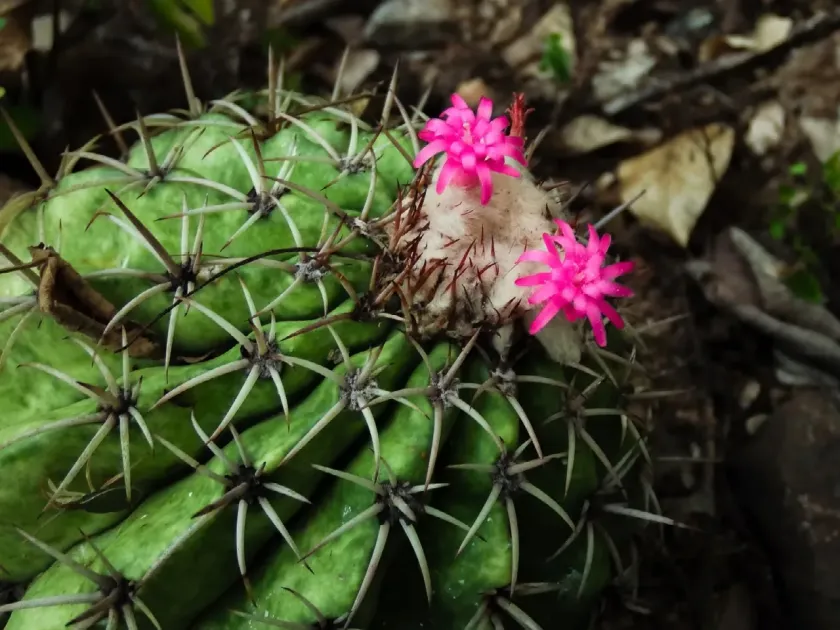
Description
Sowing dates
Melocactus curvispinus, a prominent member of the Cactaceae family, is propagated primarily through seeds under controlled agricultural conditions.
The sowing process typically takes place in early spring to utilize the natural increase in day length and light intensity for optimal germination.
The seeding medium should consist of fine sand, perlite, and a small amount of peat to ensure perfect aeration and water drainage for the developing roots.
Temperature control is crucial during this stage, with consistent heat between 25 and 30 degrees Celsius required to break seed dormancy effectively.
Regular monitoring of moisture levels is essential, as the seedlings are extremely sensitive to fungal damping-off if the humidity remains too high for extended periods.
Growing requirements
Native to tropical environments, Melocactus curvispinus requires warm, humid conditions with stable temperatures, as it does not tolerate freezing climates.
The plant thrives in well-lit areas but must be protected from intense, direct sunlight during the hottest part of the day to prevent epidermal scorching.
The soil profile should be porous, slightly acidic, and mineral-rich, preventing any water accumulation that could lead to root decay or tissue death.
Watering practices must be disciplined, focusing on soaking the soil thoroughly and then allowing it to dry out completely before the next application.
Proper airflow is a vital requirement for this species, as stagnant air increases the risk of mold growth, particularly around the mature cephalium.
Main diseases and pests
Root rot is the most devastating condition for this culture, typically caused by a combination of poor drainage and excessive watering during dormancy.
Spider mites represent a major pest threat, causing localized damage to the epidermis that creates entry points for secondary bacterial infections.
Mealybugs often infest the cephalium and the crevices between the ribs, requiring manual removal or specific systemic insecticide treatments to manage.
Fungal pathogens can colonize the plant if water droplets remain on the stem surface, leading to dark, sunken lesions that are difficult to eradicate.
Preventative measures include maintaining strict hygiene in the cultivation area, ensuring adequate ventilation, and performing regular inspections for early pest symptoms.