
Melocactus schatzlii
Melocactus schatzlii
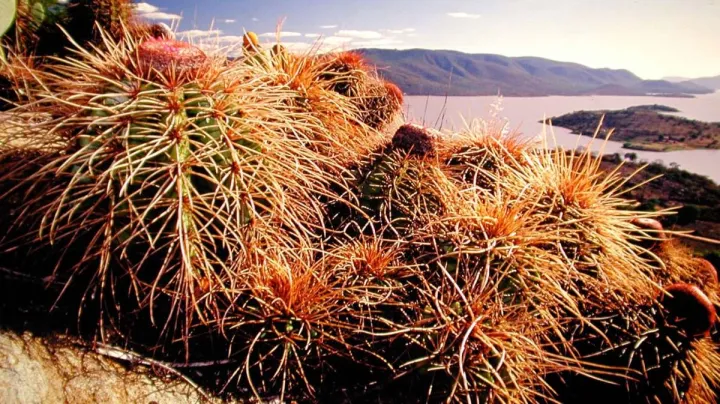
Description
Sowing dates
Propagation of Melocactus schatzlii from seeds is a delicate process that requires controlled greenhouse environments. Sowing should occur during late spring when light intensity begins to rise.
The substrate must be highly porous, consisting of fine sand and perlite, and thoroughly sterilized to prevent fungal growth. Seeds should be pressed lightly into the surface and maintained under high humidity.
Temperature must remain consistent between 25 and 28 degrees Celsius throughout the germination period. It is recommended to use clear covers to preserve humidity levels until the seedlings emerge.
Young seedlings grow quite slowly and should remain in the sowing container for a significant period before any attempt at transplantation. They are sensitive to any disturbances of the root system.
Gradual acclimatization to lower humidity is essential once the seedlings develop their first spines. Introducing fresh air through controlled ventilation helps harden the young plants before full exposure.
Growing requirements
Melocactus schatzlii, belonging to the Cactaceae family, is a unique species native to rocky habitats in Venezuela. It is characterized by its distinct cephalium, a specialized structure on top of the plant that produces flowers and fruits.
This species requires high levels of solar radiation to maintain its natural growth pattern and strong spine development. In temperate zones, cultivation is only possible in greenhouses or well-lit indoor spaces with supplementary lighting.
The soil profile must be inorganic, focusing on excellent drainage. Mixtures of pumice, lava rock, and coarse sand are preferred over organic compost to prevent water retention and root asphyxiation.
Irrigation practices must be precise; the plant should never sit in stagnant water. During warmer months, light watering is necessary, but the soil must dry out completely between applications.
Thermal stability is non-negotiable for Melocactus schatzlii. Temperatures should never drop below 15 degrees Celsius. Extreme cold leads to permanent tissue damage and creates an opening for pathogens.
Main diseases and pests
The primary agronomic threat to Melocactus schatzlii is fungal root rot. This condition is almost exclusively caused by overwatering or the use of heavy, water-retaining substrate mixtures.
Spider mites are a common pest that thrives in dry, stagnant air. These insects attack the epidermis, leaving unsightly scars that permanently mar the appearance of the cactus stem.
Mealybugs tend to infest the sensitive area of the cephalium. Since this part is dense and woolly, detecting the infestation early is difficult, often requiring systemic insecticides for total eradication.
Root mealybugs pose a significant challenge as they reside underground, feeding on the root system. They often lead to a gradual decline of the plant, which may be mistaken for poor care or dormancy.
Proactive management includes periodic inspection of the root zone and cleaning of the cephalium with gentle pressure. Proper spacing in greenhouses is also crucial to ensure adequate airflow around each specimen.