
Melocactus braunii
Melocactus braunii
Description
Growing requirements
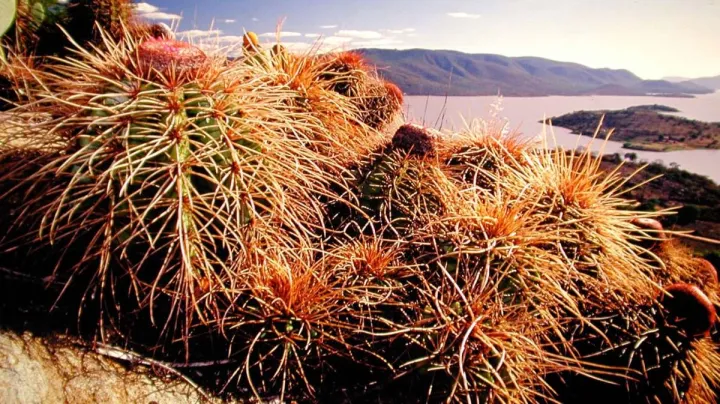
Melocactus braunii is a rare species belonging to the Cactaceae family, natively found in the state of Bahia, Brazil. Unlike many desert cacti, this species thrives in more humid, tropical-like environments, which makes its cultivation in domestic or controlled settings a delicate task for any horticulturist.
The botanical structure of this plant is defined by a globular stem that develops a distinctive cephalium upon maturity. The cephalium is a dense, woolly structure at the apex of the cactus, which serves as the site for flower and fruit production. Understanding this growth stage is crucial for successful plant management.
Regarding soil requirements, Melocactus braunii demands a highly porous, well-draining substrate. A mix of mineral grit, pumice, and a minimal amount of organic matter is ideal. The medium must be slightly acidic to ensure proper nutrient uptake and prevent the roots from suffocating in compacted soil.
Climate conditions must remain stable to keep the plant in good health. It requires bright, indirect light and warm temperatures ranging between 22 and 28 degrees Celsius. During the winter, it is imperative to maintain temperatures above 15 degrees, as this species lacks the cold tolerance seen in many other cactus genera.
In terms of agricultural and horticultural use, Melocactus braunii is primarily utilized as a collector's item or a display specimen in botanical gardens. Its slow growth rate and sensitivity make it a prized addition to specialized nurseries, contributing to the broader field of succulent conservation and research.
Main diseases and pests
The primary threats to this culture are related to improper irrigation and lack of airflow, which often lead to pathogens gaining a foothold. Maintaining a dry, well-ventilated environment is essential to preventing most common physiological disorders.
- Root mealybugs that infest the root system undetected.
- Fungal stem rot caused by cold, damp substrate conditions.
- Spider mites that thrive when the plant is kept in overly dry air.