
Melocactus pruinosus
Melocactus pruinosus
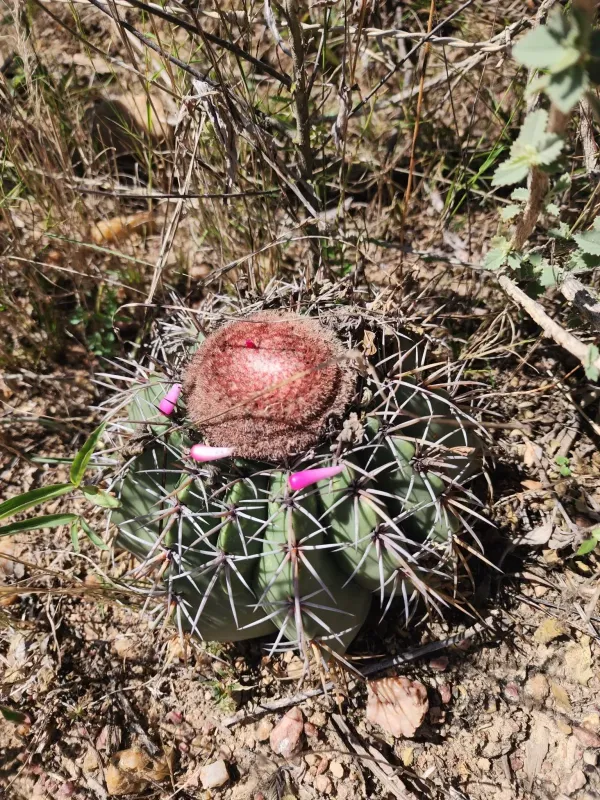
Description
Sowing dates
Sowing seeds of Melocactus pruinosus is best performed in the spring season when light levels are optimal for development. The seeds require a stable temperature of 22 to 25 degrees Celsius to germinate successfully.
A well-draining, sterilized substrate consisting of sand and fine peat is essential. Keeping the surface consistently moist but not waterlogged is critical during the initial germination phase.
Covering the containers with a clear lid creates the necessary humidity for the seedlings. Once the seedlings appear, the cover should be gradually removed to introduce the young plants to natural air circulation.
Growth of this species is relatively slow, requiring patience from the grower. Seedlings should only be transplanted once they have reached a size that allows for safe handling of their sensitive root systems.
Proper light management is crucial during the early stages. Seedlings should be placed in bright, indirect sunlight to prevent stretching or sunburn, which can easily damage the young epidermis.
Growing requirements
Melocactus pruinosus is a member of the Cactaceae family, native to the arid tropical regions of Brazil. The plant is distinct for its characteristic cephalium, a woolly structure that forms at the apex.
This species requires high levels of ambient heat throughout the year. Temperatures must remain above 15 degrees Celsius, as the plant is highly susceptible to chill injury, especially in damp conditions.
The soil must be porous and provide excellent drainage to mimic the cactus's natural rocky habitat. Heavy organic soils are unsuitable and will almost certainly lead to root rot if used in cultivation.
Light requirements are significant, but direct, intense sun can be harmful to the plant's skin, leading to discoloration. Filtered or morning sunlight is generally considered optimal for adult specimens.
Watering should be approached with extreme caution, as the plant thrives on a "dry-wet-dry" cycle. Never allow the plant to sit in stagnant water, as the roots are highly sensitive to oxygen deprivation.
Main diseases and pests
The most common threat to Melocactus pruinosus is root rot caused by overwatering or poor ventilation. The plant's inability to dry out properly often results in fungal infections that can destroy the base.
Mealybugs are a significant pest that often congregates in the wool of the cephalium. Regular inspections of the upper parts of the plant are necessary to detect these pests before they spread extensively.
Spider mites may affect the plant during hot, dry periods when the air circulation is inadequate. Using appropriate acaricides is necessary to manage these outbreaks and protect the cactus's health.
Root-knot nematodes can also be a challenge if the soil is not properly sterilized before use. Maintaining a clean growing environment is the best preventative measure against soil-borne issues.
- Ensure optimal greenhouse ventilation.
- Monitor the cephalium for pests regularly.
- Apply specialized fungicides preventatively in high-humidity seasons.