
Melocactus broadwayi
Melocactus broadwayi
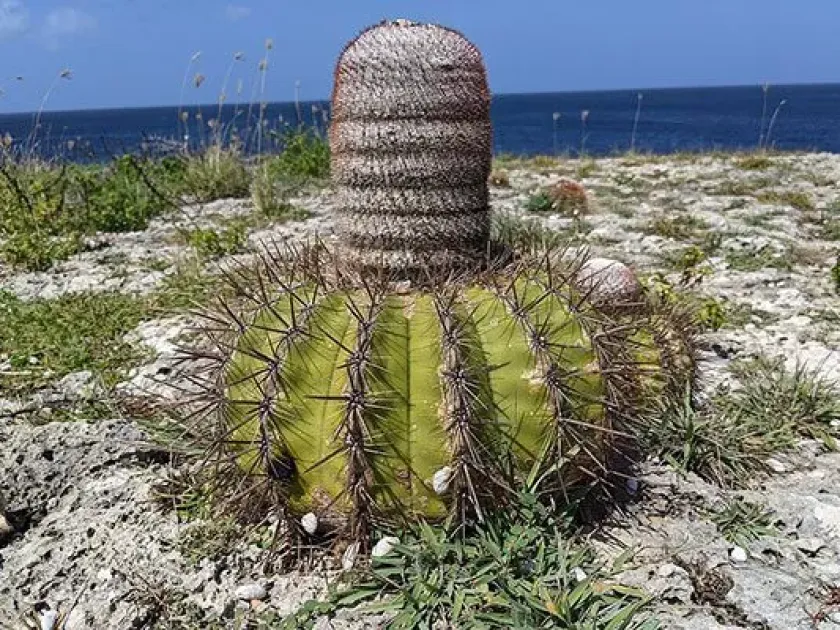
Description
Growing requirements
Melocactus broadwayi belongs to the Cactaceae family, known for its unique morphology characterized by a distinct cephalium. This structure serves as the site for flower and fruit development, appearing once the plant reaches reproductive maturity.
Native to the Caribbean region, specifically islands like Grenada and Tobago, this species thrives in rocky, arid habitats. It is naturally adapted to high light intensity and soils with very low organic content, requiring excellent drainage for healthy growth.
In cultivation, providing full sun exposure is essential to maintain the plant's structural integrity and ensure the healthy development of the cephalium. Temperatures should ideally range between 20°C and 30°C, and the species is highly sensitive to cold, which can cause internal tissue damage.
The potting medium must be highly porous. A typical agricultural mix involves high proportions of inorganic materials such as pumice, perlite, or crushed granite mixed with a small amount of sterilized sandy loam to prevent root suffocation.
While primarily valued as an ornamental specimen, maintaining healthy stock plants requires precise water management. The irrigation frequency must be carefully adjusted based on the substrate drying rate, ensuring that moisture never accumulates around the root collar.
Main diseases and pests
Root rot remains the primary threat to Melocactus broadwayi. This condition is almost exclusively caused by overwatering or the use of heavy, water-retaining soils that prevent oxygen exchange within the rhizosphere, leading to rapid necrosis.
Pests like mealybugs often hide within the crevices of the dense cephalium, making manual removal difficult. Their presence can significantly weaken the plant's growth vigor and lead to unsightly scarring or further secondary fungal infections.
Spider mites are common in indoor or greenhouse settings where air circulation is poor and humidity levels are too low. These pests feed on the cell sap, causing the skin of the cactus to become pale, dehydrated, and prone to secondary pathogens.
Fungal pathogens can manifest as spots or soft rots, often triggered by environmental stress such as inadequate ventilation or sudden temperature drops at night. Maintaining a clean growing environment is essential to reduce the risk of spontaneous outbreaks.
Applying improper nutrient concentrations can lead to weak, elongated growth. It is advisable to use specialized low-nitrogen cactus fertilizers sparingly during the active growth season, ensuring the plant remains compact and resistant to environmental pressures.