
Melocactus mazelianus
Melocactus mazelianus
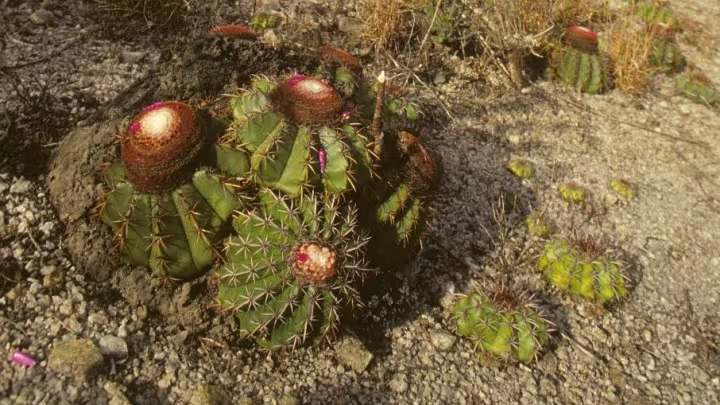
Description
Sowing dates
Sowing seeds of Melocactus mazelianus requires precise environmental control to ensure high germination rates. The process is most effective when carried out in early spring, matching the natural vegetative cycle of the plant.
A well-draining, slightly acidic, and sterile substrate is crucial for seed germination. Mixing horticultural sand and perlite into the medium prevents water retention, which is the primary cause of seedling mortality.
Seeds should be scattered on the surface and left uncovered, as they need light to activate the biochemical processes of germination. Providing a consistent humidity level via a transparent cover or plastic dome is essential.
Proper aeration of the seed tray is necessary to prevent damping-off diseases caused by stagnant air. Daily ventilation for a short period is recommended once the first sprouts appear above the substrate surface.
Maintaining a constant soil temperature of around 25 degrees Celsius significantly reduces the time required for germination. Using heat mats under the seed trays is a standard agronomic practice for this species.
Growing requirements
Melocactus mazelianus, a member of the Cactaceae family, originates from the rocky habitats of Venezuela. It is characterized by its distinct cephalium, which typically develops once the plant reaches maturity.
The climate requirements for this species are strict: it demands high temperatures and excellent air circulation. Temperatures below 15 degrees Celsius can cause severe stress and potential death of the specimen.
The soil profile must be predominantly inorganic to mimic its natural environment. A mix of pumice, coarse gravel, and high-quality potting soil provides the structure necessary for robust root health.
During the active growing season, light requirements are high. The plant performs best in locations with strong, indirect light, avoiding extreme midday sun which can bleach the epidermis and cause corking.
Water management is the most critical aspect of maintenance. Watering must be infrequent, allowing the substrate to dry out completely before the next irrigation, especially during the dormant winter phase.
Main diseases and pests
Root rot is the most common and fatal condition for Melocactus mazelianus, triggered by excessive soil moisture and poor drainage. Once the roots are compromised, the infection quickly spreads to the main stem.
Mealybugs are frequent pests that infest the cephalium and the crevices between the ribs of the plant. They weaken the cactus by feeding on sap and are often difficult to detect until a significant colony has formed.
Spider mites represent a major threat, particularly in environments with low humidity. These microscopic pests puncture the skin of the cactus, leaving discolored patches that degrade the plant's aesthetic and vitality.
Fungal infections can quickly destroy the delicate tissues if the plant is kept in high-humidity conditions without adequate ventilation. Proactive fungicide treatments are recommended in humid or stagnant air environments.
- Root rot (Phytophthora)
- Mealybugs
- Spider mites
- Fungal stem spots