
Melocactus caroli-linnaei
Melocactus caroli-linnaei
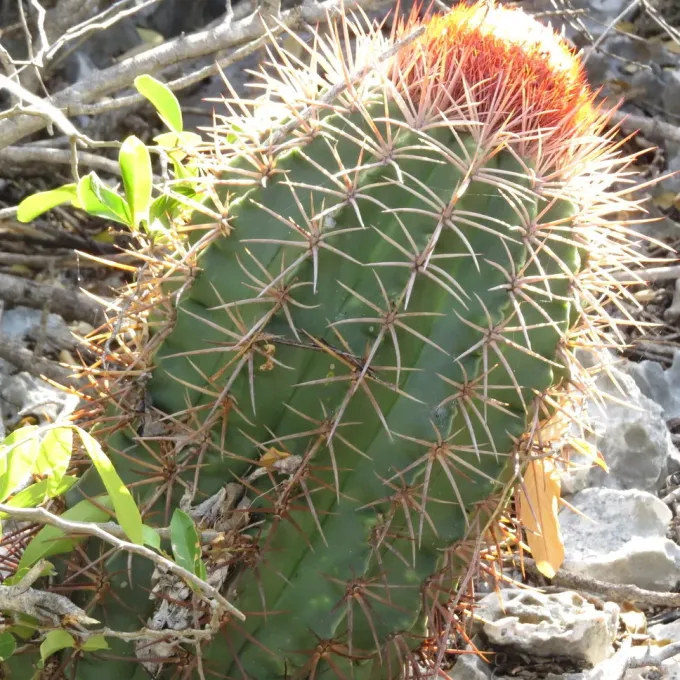
Description
Sowing dates
Propagating Melocactus caroli-linnaei is primarily achieved through seed sowing in a controlled, warm greenhouse environment. Early spring is the optimal time for sowing to capitalize on the increasing photoperiod.
Seeds are sown in a fine-textured, sterile substrate enriched with coarse sand. Maintaining high humidity is essential for initial germination, provided that the surface is kept ventilated to prevent mold.
Bottom heating is highly recommended during the germination stage to maintain a constant temperature of 22-26 degrees Celsius. This accelerates root development and ensures a higher success rate for seedlings.
Once the seedlings develop their first spines, they should be carefully pricked out into small, individual pots. Slow growth is a natural characteristic of this species, requiring patience during the early stages.
Gradual acclimatization to lower humidity and more intense light is necessary as the cactus matures. Providing consistent care during the first two years of life significantly increases the plant's future vigor.
Growing requirements
This species is native to tropical regions and requires a consistent environment without significant temperature fluctuations. It thrives in high light conditions and is not suited for outdoor cultivation in temperate climates.
The substrate must be highly porous, consisting of a mix of loam, coarse gravel, pumice, and grit. Proper drainage is the single most important factor in maintaining the long-term health of the root system.
Intense sunlight is necessary for compact growth and healthy cephalium development, though shading is advised during peak summer hours to prevent scorching. Artificial lighting may be used in regions with low natural light.
Watering should be performed carefully, allowing the soil to dry out completely between sessions. Excessive moisture, especially during colder periods, is a common cause of internal rot and failure.
Good air circulation is vital to simulate the winds of its natural habitat and prevent the proliferation of pests. Keeping the plant in a clean, airy environment reduces the risk of fungal infections.
Main diseases and pests
Red spider mites and mealybugs are the most frequent pests, often targeting the soft tissues of the cephalium. Regular inspections are necessary to detect these infestations before they spread across the plant.
Root rot, often caused by stagnant water, is the primary threat to Melocactus caroli-linnaei. If suspected, the plant should be unpotted, cleaned of rot, treated with fungicide, and repotted in dry mix.
Infections can also manifest as dark spotting on the epidermis, often triggered by environmental stress or poor drainage. Maintaining a stable, dry environment is the best preventative measure against such diseases.
Chemical control should be limited to specific pesticides labeled safe for succulents. Over-application of fertilizers or pesticides can cause chemical burns on the sensitive exterior of the cactus.
Hygiene, including the use of clean pots and sterilized tools, is essential for maintaining a healthy collection. Proper monitoring and early intervention remain the gold standard in managing cactus health.