
Melocactus azureus
Melocactus azureus
Description
Growing requirements
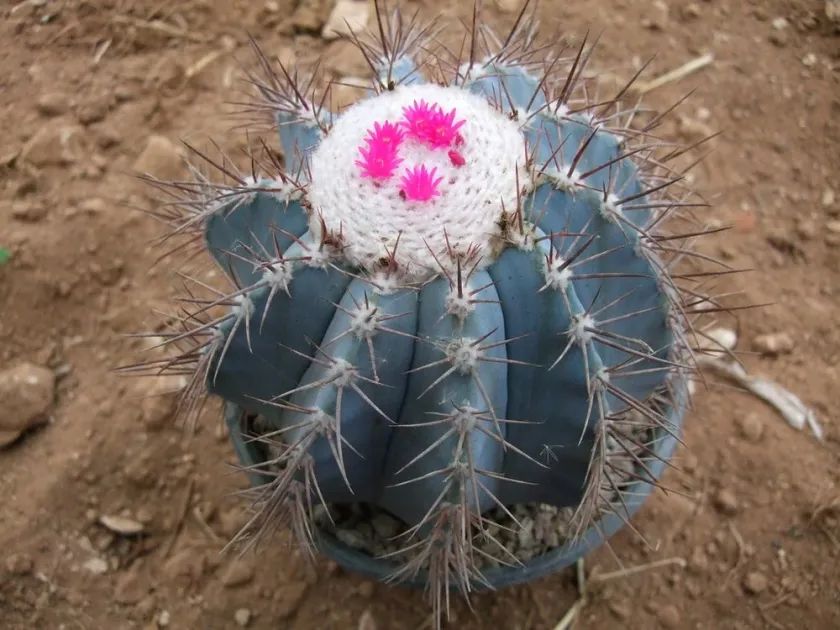
Melocactus azureus is a distinct species within the Cactaceae family, celebrated for its unique azure-blue epidermis and specialized structure called a cephalium. Native to the rocky terrains of Bahia, Brazil, this plant is adapted to arid, high-light environments.
Cultivation of this species requires strict adherence to temperature thresholds. It is a thermophilic plant that suffers significantly if temperatures drop below +15°C, making it suitable primarily for greenhouses or controlled indoor environments with stable climates.
Light intensity is a critical factor for the development of its signature blue wax. Direct sunlight or high-intensity LED light is necessary to prevent the etiolation of the stem and the loss of its vibrant coloration, which is a major aesthetic and biological trait.
The substrate must be exceptionally well-draining, consisting primarily of mineral components such as pumice, perlite, and coarse sand. Organic matter should be kept to an absolute minimum to prevent the acidification of the soil and potential root rot issues.
Water management involves a strict approach: the substrate must dry out completely between irrigations. During the growing season, moisture should be applied directly to the soil to avoid wetting the body of the cactus, which is prone to spotting.
Main diseases and pests
Root rot remains the most lethal threat to Melocactus azureus, often triggered by overwatering in cooler or humid conditions. Maintaining a proper drainage system and airflow is the primary defense strategy against fungal pathogens that thrive in damp soil.
Mealybugs are the most common pests, frequently found nestled within the mature cephalium where they are protected from topical treatments. Manual removal or systemic insecticides are required to manage these infestations effectively without damaging the epidermis.
Red spider mites can be a challenge during periods of low humidity, causing scarring on the stem surface. Increased ventilation and appropriate humidity control help prevent mite colonization, preserving the plant's natural blue coating.
Fungal infections of the stem tissue can occur if the plant is subjected to mechanical damage followed by high humidity. Sterilizing tools and ensuring clean cultivation conditions are essential for preventing the spread of spores.
Mineral salt buildup from hard tap water can manifest as white deposits on the cactus base, which may eventually inhibit nutrient uptake. Using deionized or filtered water is a recommended practice for ensuring the long-term vitality of the specimen.