
Melocactus harlowii
Melocactus harlowii
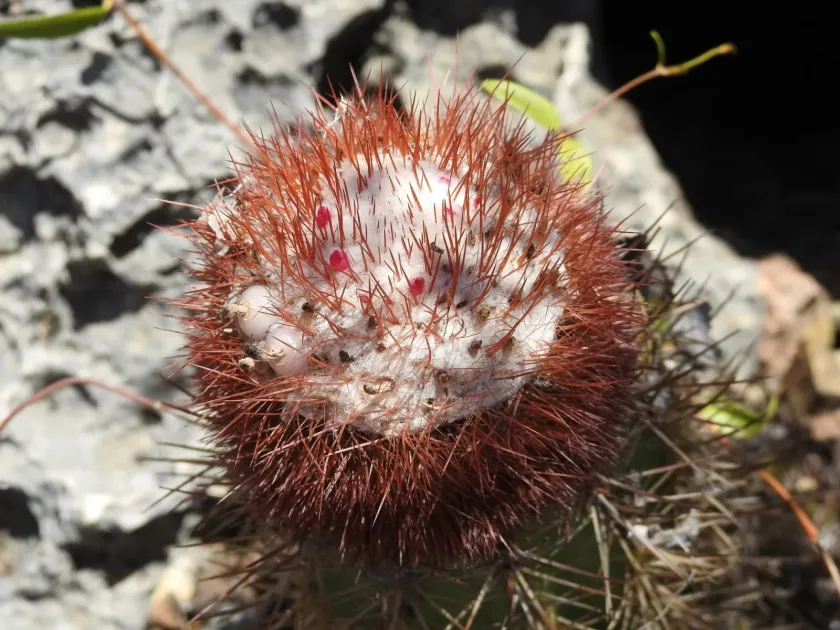
Description
Growing requirements
Melocactus harlowii is a species within the Cactaceae family, native to the Caribbean, particularly Cuba. Unlike many other cacti, it thrives in warm, stable tropical environments rather than extreme desert conditions.
A key botanical feature of this species is the development of a cephalium, a specialized structure at the apex of the stem from which small pink flowers and subsequent berries emerge once the plant reaches maturity.
In terms of light, Melocactus harlowii requires bright, indirect light. While it loves sunshine, direct high-noon exposure in an enclosed environment can scorch the stem, so proper filtration is necessary.
The substrate must be highly porous. A typical mix should include mineral components like pumice, perlite, and coarse sand. Organic matter should be kept to a minimum to ensure rapid water drainage.
Temperature management is critical for this species. It should be kept between 22°C and 30°C during the growing season and never allowed to drop below 15°C in winter, as cold stress often results in root death.
Main diseases and pests
The most significant threat to Melocactus harlowii is overwatering, which leads to root rot. Because this species has a delicate root system, once rot begins, it is often difficult to reverse.
Mealybugs are the most common insect pest. They tend to hide in the crevices of the cephalium or between the ribs, where they suck sap and weaken the plant, making it susceptible to secondary infections.
Spider mites can also be problematic if the ambient humidity is too low. Regular inspection with a magnifying glass is recommended to catch infestations before they cause permanent aesthetic damage.
To prevent disease, keep the environment well-ventilated. Proper airflow ensures that moisture does not remain on the plant surface, preventing the growth of molds and bacterial rot.
When applying pesticides, it is essential to use products specifically formulated for succulents, avoiding heavy oils that might clog the stomata of the cactus epidermis.