
Morangaya pensilis
Morangaya pensilis
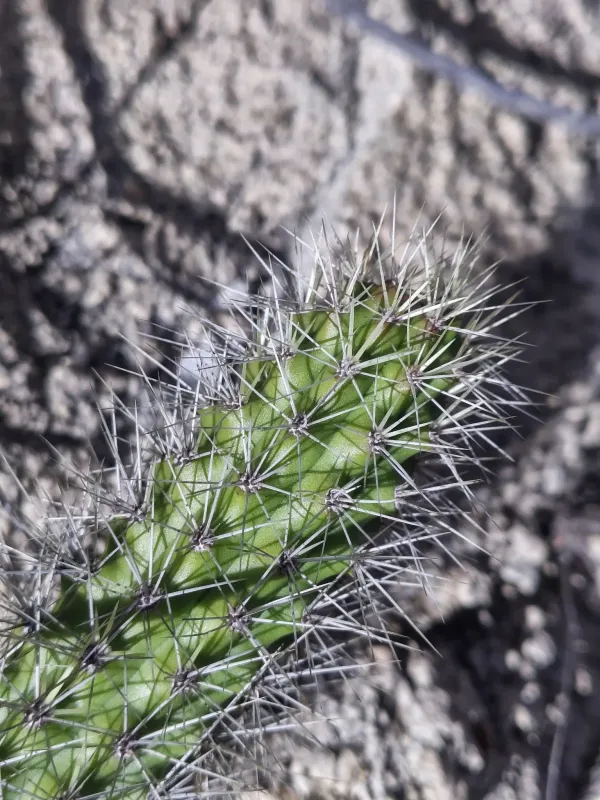
Description
Growing requirements
Morangaya pensilis is a distinct and rare species of cactus belonging to the Cactaceae family. Native to the arid, rocky regions of Mexico, specifically Lower California, this plant has evolved to thrive in specialized environmental niches as a lithophyte or epiphyte.
Cultivation of Morangaya pensilis requires a high-drainage, grit-based substrate. Standard potting soil is unsuitable as it retains too much moisture; instead, a mix containing pumice, volcanic rock, and sand is recommended to replicate the natural rocky habitat.
Light requirements are significant for this species to maintain its structural integrity. It demands bright, indirect light, with limited exposure to direct morning sun. Insufficient light leads to etiolation, where the stems become weak, pale, and lose their natural aesthetic form.
Watering must be strictly regulated to mimic the plant's native seasonal patterns. During the active growing phase, water should be applied only when the substrate is completely dry. In winter, the plant must remain in a cool, dry state to induce dormancy, which is essential for future flowering.
Temperature management is crucial, with the plant requiring a warm season for growth and a significant drop in temperature during the winter months. Maintaining consistent ventilation around the base of the plant prevents the buildup of humidity, which is often fatal for this species.
Main diseases and pests
The primary pests affecting Morangaya pensilis include mealybugs and spider mites. These small insects often colonize the areoles and crevices of the stem, making them difficult to detect until a significant infestation has occurred.
Root and stem rot are the most prevalent diseases, almost exclusively caused by overwatering or improper drainage. These fungal infections progress rapidly and often result in the total collapse of the plant's structure if not identified early.
Control strategies involve a combination of chemical intervention and cultural adjustments. Systemic insecticides are effective against sap-sucking pests, while fungicides should be used sparingly and only when specific symptoms of rot are present.
Preventive maintenance includes inspecting the plant regularly for webbing or white cottony masses. Ensuring the potting container has ample drainage holes and is not too deep is a simple yet effective way to manage the moisture level and prevent root stress.
If rot is detected, the only viable solution is to excise the diseased tissue with a sterile knife. The remaining healthy segment must be left to dry and callus over completely before attempting to re-root it in a fresh, sterile, and dry medium.