
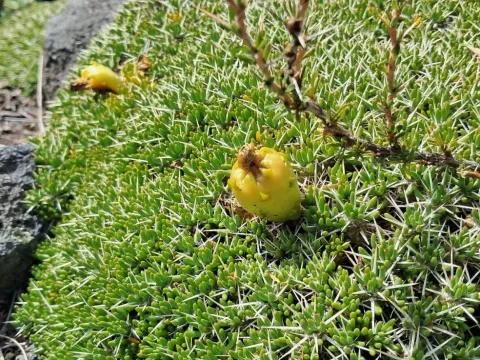
Maihuenia
Maihuenia
Maihuenia is a genus of succulent plants within the Cactaceae family, known for its distinct low-growing, mat-forming habit. These plants are scientifically recognized for their ability to thrive in extremely harsh environmental conditions.
What the section contains


Maihuenia
Native to the high-altitude regions of the Andes in Argentina and Chile, these plants have evolved to survive intense sunlight, strong winds, and freezing temperatures. Their natural habitat is characterized by poor soil and limited water availability.
In terms of cultivation, Maihuenia requires a highly porous, gritty substrate that ensures rapid water drainage. A mix of mineral components, such as pumice and coarse sand, is essential to prevent the accumulation of moisture around the roots.
These cacti demand maximum solar exposure to maintain their compact structure and health. Inadequate light levels will cause the plant to etiolate, losing its characteristic cushion shape and becoming prone to structural instability.
Regarding хозяйственное usage, Maihuenia is valued in specialized horticulture for rock gardens and succulent collections, serving as an ornamental species that mimics the rugged beauty of high-mountain landscapes.
Root rot is the primary physiological threat caused by excessive moisture in the root zone. Proper soil aeration and strict irrigation control, especially during the dormant season, are the most effective preventive measures against decay.
Mealybugs are the most common pests that infest the dense clusters of the plant. Their presence is often detected by white, cotton-like masses, necessitating prompt treatment with systemic insecticides or specialized contact solutions.
Red spider mites represent another significant threat, particularly in hot and dry climates. Infestation symptoms include discoloration and stippling of the plant epidermis, which requires regular inspection and acaricide application.
Fungal pathogens can colonize the plant if high humidity persists for long periods. Ensuring constant air movement around the specimen is a critical agronomic requirement for maintaining disease-free growth.
Effective pest management involves a combination of environmental control, such as improving ventilation, and the judicious use of biological or chemical control agents when symptoms of infestation appear.