
Melocactus neryi
Melocactus neryi
Description
Growing requirements
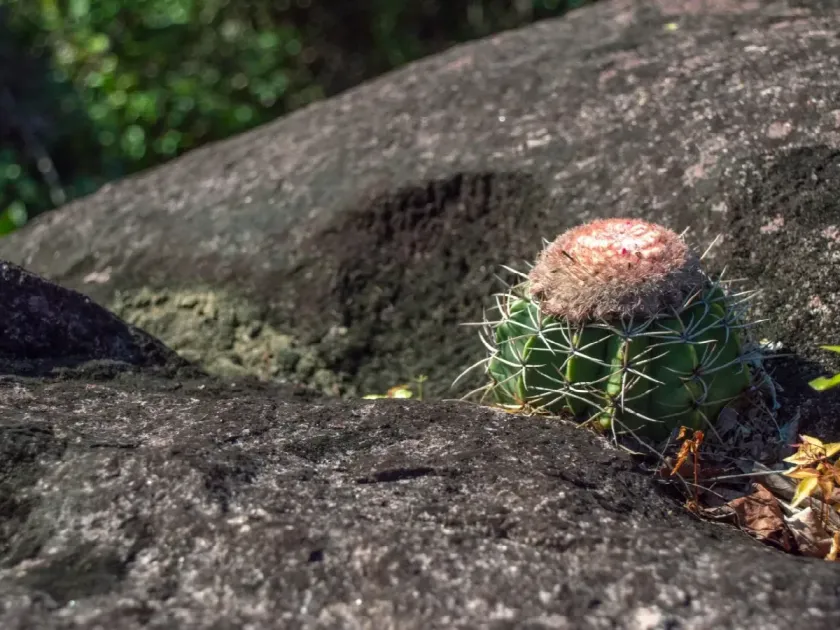
Melocactus neryi is a distinct species within the Cactaceae family, known for its spherical growth and the development of a unique apical structure called a cephalium. This organ produces small, pink-red flowers and berries, marking the plant's maturation phase.
The native environment of this species includes the tropical regions of South America, where it thrives in well-drained, sandy, or rocky soils. For agricultural or domestic cultivation, it is essential to replicate these conditions by using a porous substrate that prevents water stagnation.
Climate requirements for Melocactus neryi are strictly tropical; the plant demands high temperatures and consistent warmth. It thrives best in environments where temperatures remain between +22 and +30 degrees Celsius, as it lacks cold hardiness and may suffer irreversible damage if exposed to chilly conditions.
Light intensity is a critical factor for maintaining the structural integrity of the plant. Unlike some other succulents that prefer partial shade, Melocactus neryi requires significant exposure to bright light to ensure the cephalium remains healthy and the stem maintains its characteristic shape.
Water management must be precise, following the natural cycle of the species. Irrigation should be performed only when the soil substrate has completely dried out. During the winter months, the plant enters a period of dormancy, necessitating a drastic reduction in water intake to prevent root rot.
Main diseases and pests
The primary threat to Melocactus neryi is fungal infection, which often manifests as root or stem rot. This is frequently a consequence of overly damp soil and inadequate air circulation in the growing environment, which creates a breeding ground for pathogens.
Common pests such as the mealybug (Pseudococcidae) frequently target the recesses between the cactus ribs. These pests feed on the plant's sap and can severely weaken the structure, necessitating the use of systemic insecticides for effective management.
Spider mites are another common challenge, especially in environments with low humidity levels. These pests cause discoloration of the epidermis and can facilitate the entrance of bacteria, which further complicates the plant's overall health and aesthetic appeal.
Preventative care involves ensuring good airflow and periodic monitoring of the plant's surface. Maintaining a strict sanitation protocol when handling the cactus, including the use of sterilized potting tools, significantly reduces the likelihood of introducing infestations.
If a pathogen or pest is detected, immediate isolation and treatment are required to prevent the problem from spreading to other nearby cultures. Because Melocactus neryi is highly specialized, recovery from severe infestation is often slow and requires careful, observant care.