
Melocactus intortus
Melocactus intortus
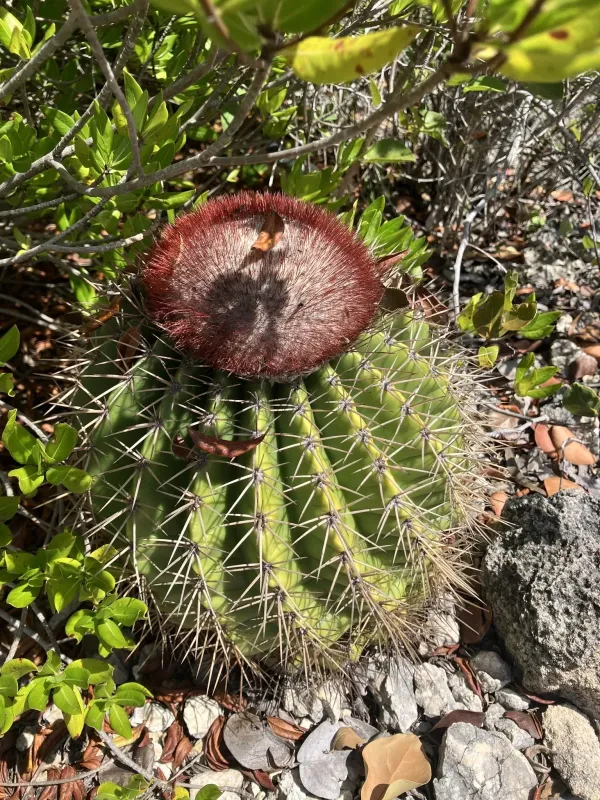
Description
Sowing dates
Propagation of Melocactus intortus through seeds is a slow and delicate process that requires maintaining a stable temperature range between 25 and 30 degrees Celsius. Seeds should be sown in a sterile, well-draining substrate composed of sand and peat to provide adequate air circulation.
Spring is the ideal season for sowing, as the increase in day length promotes faster germination. The container must be kept covered with clear film to maintain humidity, though regular airing is necessary to prevent the formation of mold and excessive moisture buildup.
Pricking out the seedlings requires precision, as their root systems are extremely fragile and sensitive to physical damage. Transplanting should be done only after the young cacti have developed a sufficient number of spines to protect themselves.
Growth is notably slow, and the characteristic cephalium, the top structure where flowers bloom, will only appear after the plant reaches a certain level of maturity, typically several years after germination.
In a home environment, avoiding fertilizers with high nitrogen content is crucial, as they can cause the epidermis to stretch and crack, leading to long-term health issues for the plant.
Growing requirements
Melocactus intortus is a member of the Cactaceae family native to the Caribbean region, thriving in rocky and well-exposed terrains. The culture requires consistent warmth and will not survive in temperatures dropping below 15 degrees Celsius for extended periods.
The growing medium must be acidic to neutral and highly porous, with gravel or pumice added to ensure rapid drainage. Any water retention in the potting mix can quickly lead to lethal root decay, making the choice of soil critical for success.
Watering practices must be very careful; the soil should be allowed to dry out completely between sessions during the growing season. In winter, the plant enters a dormancy phase and requires almost no water at all to maintain its health.
High light intensity is essential for maintaining the plant's natural shape and color, but protection from harsh midday sun is necessary to prevent skin burns. Bright, indirect light is the best compromise for indoor cultivation.
Adequate ventilation is highly recommended to prevent stagnant, humid air, which promotes the growth of fungi. Placing the plant in an area with good airflow helps stabilize the microclimate surrounding the stem.
Main diseases and pests
Spider mites are a common threat, especially in hot and dry indoor environments where the plant is grown. Frequent inspections of the stem and the use of appropriate acaricides are effective methods for controlling these small pests before they cause widespread damage.
Mealybugs often infest the cephalium or the woolly areoles, where they feed on the plant's sap. Systematic treatment with specialized insecticides is necessary to clear the plant of these insects without damaging the delicate epidermis.
Root rot is the most dangerous condition for Melocactus intortus, almost always caused by overwatering or poor soil drainage. If the base of the cactus shows signs of softening, immediate action to remove the rot and replant in dry material is required.
Fungal diseases can occur when cold temperatures coincide with high moisture levels. Regular fungicide applications, especially in transition seasons, act as an effective preventative measure against various stem infections.
- Use only sterilized equipment for pruning or repotting.
- Keep the soil free from organic debris that might harbor pathogens.
- Regularly rotate the pot to ensure uniform light exposure.
- Check the roots annually during the spring season.
- Avoid overhead watering to keep the stem surface dry.