
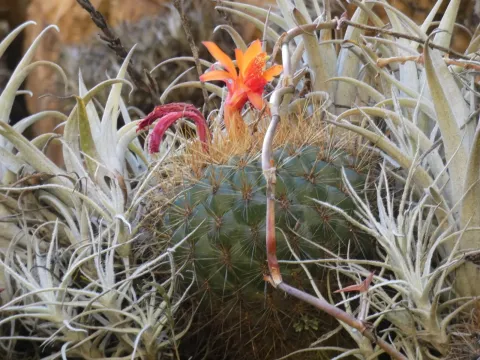
Matucana
Matucana
Matucana is a genus of succulent plants belonging to the Cactaceae family. Native to the high-altitude regions of Peru, these plants are well-adapted to rocky habitats and harsh environmental conditions with significant temperature fluctuations.
What the section contains
 Matucana aurantiaca
Matucana aurantiaca
Matucana aurantiaca
 Matucana aureiflora
Matucana aureiflora
Matucana aureiflora
 Matucana haynei
Matucana hoxeyi
Matucana hoxeyi
Matucana haynei
Matucana haynei
Matucana hoxeyi
Matucana hoxeyi
 Matucana huagalensis
Matucana huagalensis
Matucana huagalensis
 Matucana intertexta
Matucana intertexta
Matucana intertexta
 Matucana krahnii
Matucana krahnii
Matucana krahnii
 Matucana paucicostata
Matucana paucicostata
Matucana paucicostata
 Matucana polzii
Matucana polzii
Matucana polzii
 Matucana rebutiiflora
Matucana rebutiiflora
Matucana rebutiiflora
 Matucana weberbaueri
Matucana weberbaueri
Matucana weberbaueri
Matucana
Successful cultivation of Matucana requires a bright location. These cacti thrive in direct sunlight, but in an indoor environment, it is advisable to provide some light shading during the peak afternoon hours to prevent epidermal tissue damage.
The substrate must be highly porous and fast-draining. A typical cactus mix should include a significant portion of inorganic materials such as pumice, coarse sand, or perlite to ensure that water does not remain around the root system for extended periods.
Watering practices should be strictly seasonal. During the active growing season, allow the soil to dry out completely between waterings. In winter, these plants require a cool, dry dormant period, typically between 8–12 degrees Celsius, with minimal to no water.
Good ventilation is crucial for the health of these cacti. Stagnant air combined with high humidity levels is a leading cause of physiological stress and susceptibility to infections, so ensure proper airflow around your collection.
The most common pests affecting Matucana are mealybugs and spider mites. These small pests tend to hide in the areoles or between the ribs of the cactus, making manual inspection a vital part of regular plant care.
If an infestation is detected, apply appropriate systemic insecticides or horticultural oils. Regular preventive cleaning and maintaining optimal environmental conditions significantly reduce the likelihood of a major pest outbreak.
Fungal infections, primarily root rot, are the most serious threat caused by overwatering or poor drainage. Infected plants often show signs of discoloration and softening at the base, which can rapidly spread upwards.
Prevention is the best strategy against fungal pathogens. This includes using sterilized tools for propagation, providing adequate drainage holes in pots, and ensuring the plant is never kept in consistently damp, cold conditions.
If rot is identified early, surgical removal of the infected tissue followed by fungicide application can save the plant. If the rot has reached the core of the plant, the survival rate is significantly lower, requiring propagation of healthy offsets.