
Melocactus peruvianus
Melocactus peruvianus
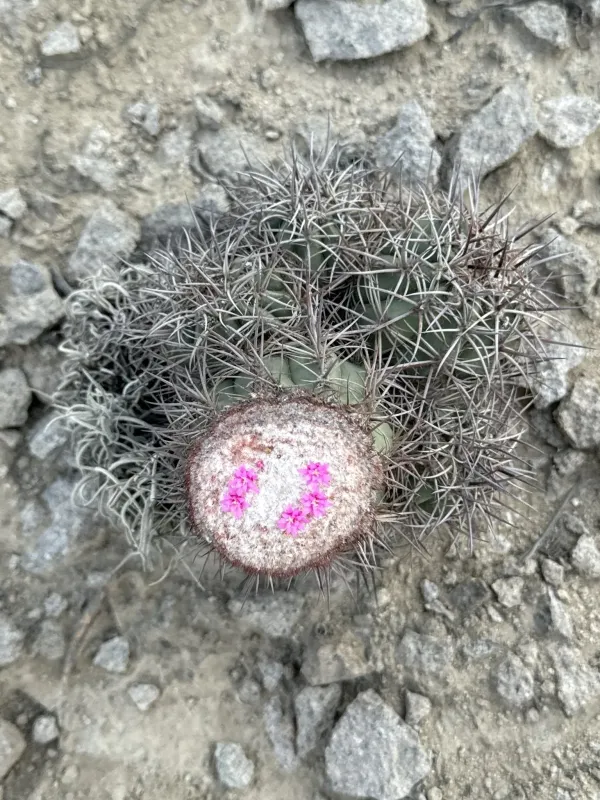
Description
Sowing dates
Melocactus peruvianus belongs to the Cactaceae family and is native to rocky, arid habitats. Propagation is primarily achieved through seeds, which require specific conditions to germinate successfully. The process should begin in a controlled greenhouse environment.
Seeds are sown in a light, sterile medium consisting of fine sand, perlite, and a small amount of peat. Keeping the surface consistently moist but not saturated is crucial for the first few weeks of development.
Optimal germination temperatures range from +25°C to +28°C. Once the seedlings develop their first spines, they require a gradual reduction in humidity to prevent damping-off diseases and to harden the young plants.
Patience is required as Melocactus seedlings grow relatively slowly during the first two years of life. Transplanting should be done only when the roots fill the pot, as the root system is sensitive to disturbance.
Vegetative propagation is generally discouraged due to the specialized nature of the cephalium. Therefore, seed production remains the standard method for sustainable cultivation and distribution of the species.
Growing requirements
This species requires high light intensity to maintain its characteristic shape and promote healthy growth. Direct sunlight for at least 6–8 hours a day is ideal for adult plants to ensure robust development of the cephalium.
The substrate must be highly porous and fast-draining. A typical mix includes 40% mineral components like crushed granite or pumice, 30% coarse sand, and 30% organic matter like leaf mold or specialized cactus soil.
Temperature management is a key factor; Melocactus peruvianus thrives in warm conditions (+22°C to +30°C). It is extremely sensitive to cold and should never be exposed to temperatures below +15°C, as this can cause permanent tissue damage.
Watering practices must be disciplined. During the active growth season, water sparingly, allowing the substrate to dry out completely between waterings. In winter, water should be minimized to induce a dormancy period.
Fertilization should be handled with care using low-nitrogen formulations designed for succulents. Excessive feeding promotes soft growth, which makes the plant highly susceptible to physical damage and pathogens.
Main diseases and pests
The most common threat to Melocactus peruvianus is root rot, typically caused by overwatering or poor drainage. This is often the primary reason for failure in cultivation, especially in environments with high humidity.
Spider mites are common pests that thrive in dry conditions. They attack the skin of the plant, leaving discolored patches and weakening the overall structure, which may lead to secondary fungal infections.
Mealybugs can be found hiding between the spines or near the cephalium. Regular monitoring is necessary, as these insects can quickly reproduce and drain the plant of essential nutrients if left unchecked.
To prevent disease, ensure proper air circulation around the plants. Never leave moisture sitting on the top of the plant or the cephalium, as this creates a perfect environment for mold and rot to take hold.
If pests or signs of fungal decay are detected, isolated treatment with appropriate horticultural oils or systemic fungicides is recommended. Always treat the substrate and the roots if systemic issues are suspected.