
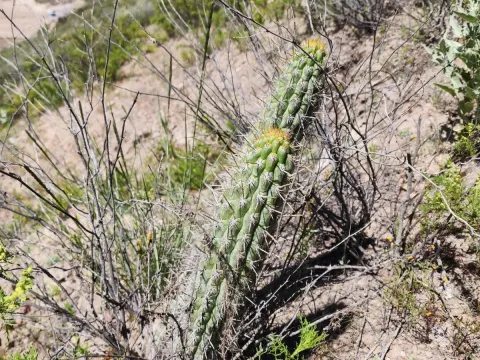
Loxanthocereus
Loxanthocereus
Loxanthocereus is a genus of cacti belonging to the Cactaceae family. These plants are recognized for their columnar or shrubby growth habits, often featuring intricate ribbing patterns that make them a popular choice for specialized botanical collections.
What the section contains


Loxanthocereus
Native to the arid regions of South America, specifically Peru and parts of Chile, these cacti are naturally adapted to life in high-altitude environments. They occupy rocky terrains where the soil composition is primarily mineral-based, providing excellent drainage.
To ensure healthy development, Loxanthocereus requires high levels of solar exposure. They thrive when placed in locations that offer full sunlight, which helps maintain the plant's robust structure and prevents the weakening of stem tissues common in shaded environments.
Soil requirements are strict regarding drainage. A standard potting mix is usually insufficient; gardeners should use a specialized cactus substrate enriched with pumice, grit, or lava rock. This ensures the roots remain well-oxygenated and never sit in stagnant moisture.
Cultural care involves a distinct irrigation cycle. During the growing season, water thoroughly only when the soil has completely dried out. As the dormant winter season approaches, it is critical to reduce water drastically to mimic the natural drought cycles of their habitat.
The most significant threat to Loxanthocereus is root rot, triggered by overwatering or poor soil drainage. Once rot sets in, it can quickly compromise the entire structure of the plant, often leading to irreversible damage.
Pests such as mealybugs and spider mites are frequent invaders. These insects often cluster in the crevices between the cactus ribs, feeding on plant sap and leaving behind secretions that attract further fungal complications.
Effective management includes routine visual inspections to identify pest colonies early. If detected, localized treatment with rubbing alcohol or systemic insecticides is recommended to keep the population under control without causing chemical stress to the succulent.
Air circulation is another critical aspect of disease prevention. In indoor or greenhouse settings, stagnant air pockets can encourage fungal growth and mold formation on the epidermis of the cactus, significantly reducing its aesthetic and physiological health.
Proactive care involves creating a climate that mimics the high-mountain conditions of their origin. By balancing light, ventilation, and conservative watering practices, growers can minimize the risk of infection and maintain the plant's natural beauty for many years.