Dime 58 c.e., in
Jiangsu SevenContinent Green Chemical Co., Ltd.
Insecticides
0
0
2 offers
5.9 €per pack
Buy

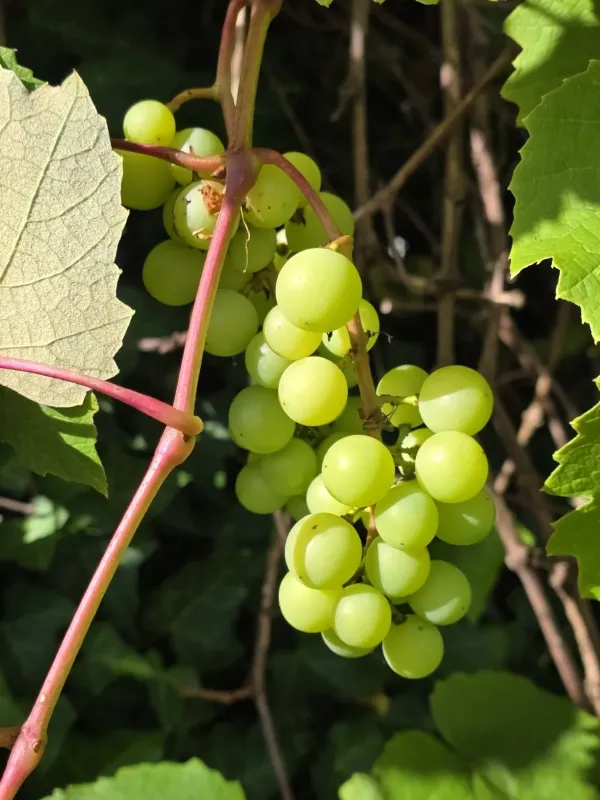
The common grapevine (Vitis vinifera L.) belongs to the Vitaceae family and is a perennial woody vine. In modern viticulture, vineyard establishment is typically performed in early spring, when the soil reaches a temperature of 10-12°C, facilitating rapid root development.
For planting, growers use either grafted or rooted cuttings that have undergone a hardening-off process. Preparing the vineyard site involves deep tillage and the incorporation of organic matter, as this crop requires a nutrient-rich environment for long-term health.
Planting density is determined by the vigor of the rootstock and the chosen pruning system. Standard spacing between rows is usually 2.5 to 3 meters, with 1.5 to 2 meters between plants, ensuring adequate air circulation and sunlight exposure.
Grapevines have a distinct dormant period, allowing the plant to acclimate to seasonal changes. Proper site selection and careful planting procedures are the foundation for the longevity and productivity of the vineyard for many decades.
Originating from the Mediterranean and Southwest Asia, Vitis vinifera has spread globally to diverse temperate and subtropical regions. It remains one of the world's most important agricultural crops, used extensively for wine, fresh consumption, and raisins.
Grapevines are highly heliotropic and demand full sun exposure for optimal berry ripening and sugar accumulation. Selecting sites with southern exposure ensures the vines receive the necessary solar energy throughout the growing season.
The ideal soil for viticulture is well-drained, porous, and has a moderate nutrient profile. While the plant can tolerate various soil types, avoid heavy clay or waterlogged soils, as these conditions significantly increase the risk of root-zone diseases.
Agricultural practices involve rigorous canopy management, including annual pruning and shoot positioning on trellises. These techniques ensure that light reaches the clusters and that air circulation is maintained to minimize humidity levels around the fruit.
Water management is critical during the vegetative growth phase and fruit set. Excessive moisture during ripening must be avoided to prevent berry splitting, while steady water supply early in the season promotes robust vine structure.
Fertilization regimes focus on potassium and phosphorus application to support fruit quality and wood maturation. Proper hardening of the canes in autumn is essential for survival during winter frosts and successful bud break the following spring.
Managing diseases and pests is a cornerstone of professional vineyard management. Many fungal pathogens, such as grey mold (Botrytis cinerea) or anthracnose, can devastate yields if preventative measures are not taken in a timely manner.
White rot and other decay-causing fungi often exploit mechanical damage or environmental stress to infect the vine. Maintaining sanitary conditions in the vineyard, such as removing pruning debris, is essential to reduce the local inoculum density of these pathogens.
Pests like the San Jose scale (California scale) can cause significant damage by feeding on vine sap, weakening the plant's structural integrity over time. While some generalist insects may visit the vineyard, maintaining biodiversity can help keep pest populations in check.
The integrated pest management (IPM) approach includes selecting disease-resistant cultivars and using selective spraying only when necessary. Regular monitoring of the vineyard allows for early detection of threats before they become economically damaging.
Proper pruning and thinning techniques are effective non-chemical methods for disease control. By reducing the density of the foliage and improving airflow, growers create an environment that is less conducive to the proliferation of fungal spores.