
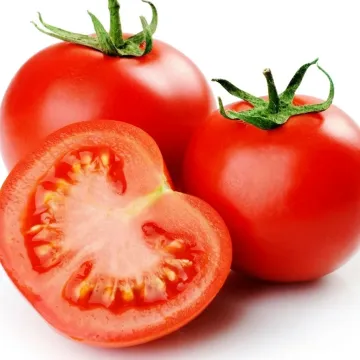
Description
Symptoms
The first symptoms appear as small, water-soaked spots on the leaves, which eventually turn dark brown or black as the tissue dies.
A characteristic halo of yellow chlorotic tissue often surrounds the lesions, indicating the plant's reaction to the bacterial toxins.
Fruit symptoms include raised, scab-like black spots that may crack, which ruins the aesthetic quality and marketability of the produce.
Stems and leaf stalks may develop elongated dark lesions, leading to deformation and potential collapse of the plant parts affected.
In highly humid conditions, a bacterial ooze may be visible on the surface of the lesions, serving as a primary source for further spread via rain splashing.
Pathogen
Black bacterial spot refers to a group of destructive plant diseases caused by various species within the Xanthomonas bacterial genus.
These gram-negative bacteria are specialized pathogens that colonize plant tissues, leading to necrosis and significant degradation of the host plant.
The bacteria survive in seeds, soil, and crop debris, making them persistent threats that can re-emerge in subsequent planting cycles if not managed.
Pathogen entry into the plant occurs through natural openings like stomata or through mechanical wounds caused by environmental factors or insects.
Once inside, the bacteria multiply rapidly within the intercellular spaces, secreting toxins that disrupt the plant's metabolic processes and internal structure.
Conditions for development
Optimal development of the disease occurs during periods of warm temperatures, typically ranging from 25 to 30 degrees Celsius, accompanied by high humidity.
Frequent rainfall or overhead irrigation provides the necessary moisture for bacterial movement on the leaf surface and infection of new tissues.
Dense plant canopies that lack sufficient airflow and ventilation create microclimates that favor the survival and rapid spread of the pathogen.
Inadequate sanitation practices and the use of contaminated seeds significantly increase the risk of an epidemic within a field or greenhouse.
The presence of insect vectors that feed on the plant causes wounds that act as infection sites, accelerating the spread of the bacteria throughout the crop.
Why it matters
The disease causes significant damage by reducing the total photosynthetic area of the leaves, resulting in stunted plant growth and reduced vigor.
Economic losses are severe due to the damage to fruits, making them unsuitable for fresh market sales and shortening their post-harvest shelf life.
In cases of severe infestation, early loss of foliage can lead to the death of the plant, especially if the infection occurs during the seedling stage.
Infected areas become long-term reservoirs for the bacteria, necessitating stricter management and limitations on what can be planted in the soil later.
The cumulative effect of the infection leaves plants more susceptible to secondary opportunistic infections, further compounding yield loss.
Protection
Effective management begins with the use of high-quality, disease-free seeds and performing necessary seed treatments before sowing.
Crop rotation is essential, ensuring that susceptible host plants are not grown in the same field for at least three to four years.
Copper-based bactericides are commonly used as a preventative measure to inhibit bacterial growth on the plant surface and prevent new infections.
- Prompt removal and destruction of infected crop residues after harvest.
- Sanitization of greenhouse tools and structural surfaces.
- Selection of resistant or tolerant cultivars for high-risk areas.
- Optimization of irrigation systems to minimize leaf wetness.
Integrated pest management strategies must be employed to control insect vectors and maintain overall crop health during the growing season.
Reference
Connections · Bacterial spot
Most often together:
Marketplace
Products · 71











Community
Discussion
No discussions yet — be the first.