
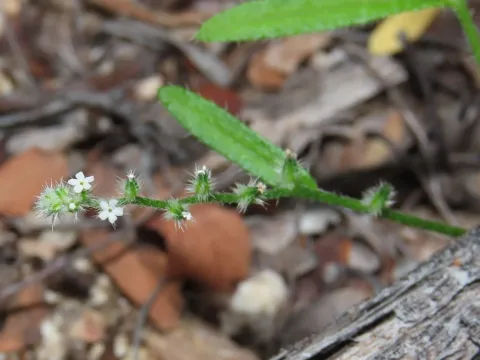
Cryptantha
Cryptantha
Cryptantha is a large genus of flowering plants belonging to the Boraginaceae family. These plants are primarily native to western North America, occupying diverse arid and semi-arid environments ranging from deserts to mountain foothills.
What the section contains
 Basin yellow cryptantha
Cryptantha confertiflora
Basin yellow cryptantha
Cryptantha confertiflora
 Clokey's cryptantha
Cryptantha clokeyi
Clokey's cryptantha
Cryptantha clokeyi
 Cryptantha
 abata
Cryptantha
Cryptantha abata
 Cryptantha affinis
Cryptantha affinis
Cryptantha affinis
 Cryptantha albida
Cryptantha albida
Cryptantha albida
 Cryptantha ambigua
Cryptantha ambigua
Cryptantha ambigua
 Cryptantha angustifolia
Cryptantha angustifolia
Cryptantha angustifolia
 Cryptantha aperta
Cryptantha aperta
Cryptantha aperta
 Cryptantha bakeri
Cryptantha bakeri
Cryptantha bakeri
 Cryptantha barbigera
Cryptantha barbigera
Cryptantha barbigera
 Cryptantha barnebyi
Cryptantha barnebyi
Cryptantha barnebyi
 Cryptantha breviflora
Cryptantha breviflora
Cryptantha breviflora
 Cryptantha caespitosa
Cryptantha caespitosa
Cryptantha caespitosa
 Cryptantha cana
Cryptantha cana
Cryptantha cana
 Cryptantha capitata
Cryptantha capitata
Cryptantha capitata
 Cryptantha celosioides
Cryptantha celosioides
Cryptantha celosioides
 Cryptantha cinerea
Cryptantha cinerea
Cryptantha cinerea
 Cryptantha circumscissa
Cryptantha circumscissa
Cryptantha circumscissa
 Cryptantha clevelandii
Cryptantha clevelandii
Cryptantha clevelandii
 Cryptantha compacta
Cryptantha compacta
Cryptantha compacta
 Cryptantha corollata
Cryptantha corollata
Cryptantha corollata
 Cryptantha crassipes
Cryptantha crassipes
Cryptantha crassipes
 Cryptantha crassisepala
Cryptantha crassisepala
Cryptantha crassisepala
 Cryptantha creutzfeldtii
Cryptantha creutzfeldtii
Cryptantha creutzfeldtii
 Cryptantha crinita
Cryptantha crinita
Cryptantha crinita
 Cryptantha crymophila
Cryptantha crymophila
Cryptantha crymophila
 Cryptantha decipiens
Cryptantha decipiens
Cryptantha decipiens
 Cryptantha dumetorum
Cryptantha dumetorum
Cryptantha dumetorum
 Cryptantha echinella
Cryptantha elata
Cryptantha elata
Cryptantha excavata
Cryptantha excavata
Cryptantha echinella
Cryptantha echinella
Cryptantha elata
Cryptantha elata
Cryptantha excavata
Cryptantha excavata
 Cryptantha fendleri
Cryptantha fendleri
Cryptantha fendleri
 Cryptantha flaccida
Cryptantha flaccida
Cryptantha flaccida
 Cryptantha flavoculata
Cryptantha flavoculata
Cryptantha flavoculata
 Cryptantha fulvocanescens
Cryptantha fulvocanescens
Cryptantha fulvocanescens
 Cryptantha glomeriflora
Cryptantha glomeriflora
Cryptantha glomeriflora
 Cryptantha gracilis
Cryptantha gracilis
Cryptantha gracilis
 Cryptantha hispidula
Cryptantha hispidula
Cryptantha hispidula
 Cryptantha holoptera
Cryptantha holoptera
Cryptantha holoptera
 Cryptantha muricata
Cryptantha muricata
Cryptantha muricata
 Cryptantha nemaclada
Cryptantha nemaclada
Cryptantha nemaclada
 Gander's cryptantha
Cryptantha ganderi
Gander's cryptantha
Cryptantha ganderi
 Graham's catseye
Cryptantha grahamii
Graham's catseye
Cryptantha grahamii
 Hoffmann's cryptantha
Cryptantha hoffmannii
Hoffmann's cryptantha
Cryptantha hoffmannii
 Ribbed catseye
Cryptantha costata
Ribbed catseye
Cryptantha costata
 Yellow cryptantha
Cryptantha flava
Yellow cryptantha
Cryptantha flava
Cryptantha
Sowing in their natural habitat typically occurs during the late winter or early spring. The seeds require a specific period of cold stratification followed by seasonal rainfall to break dormancy and trigger successful germination.
In cultivation, seeds are sown on the surface or buried very shallowly, as they often require light for germination. The substrate must be porous and well-draining to mimic the natural soil conditions of desert slopes.
The genus is characterized by a rapid life cycle, particularly among annual species, which allows them to complete their development before the onset of the harsh summer drought. This biological strategy is key to their survival in challenging ecosystems.
Growing Cryptantha commercially is rare, but they are increasingly recognized for their potential in xeriscaping and ecological restoration projects aimed at rehabilitating degraded desert lands.
Cryptantha thrives in environments that offer excellent drainage and high sun exposure. They are highly intolerant of waterlogged soil conditions, which quickly trigger root rot and other fatal physiological disorders.
The ideal soil profile is sandy, rocky, or gravelly, with low nutrient content. High concentrations of organic matter or synthetic fertilizers are generally detrimental, as they promote excessive vegetative growth at the expense of floral development.
Solar radiation is a critical factor for the health of Cryptantha. These plants require full, unfiltered sun for most of the daylight hours to maintain their compact habit and trigger proper physiological processes.
Temperature tolerance is a hallmark of this genus. They are adapted to significant diurnal temperature fluctuations, which are typical of high-desert climates, and require a distinct transition between cool nights and warm days.
Water requirements should be kept to a minimum. Supplemental irrigation should only be provided during extreme drought periods and must be carefully managed to avoid soil saturation in the root zone.
Fungal diseases remain the most significant threat to Cryptantha in artificial environments. Powdery mildew can rapidly spread across the foliage if humidity levels are too high or if air circulation is inadequate.
Root and crown rots are common, especially when plants are grown in heavy clay or poorly drained soils. Once these infections take hold, they are difficult to reverse, making prevention through soil management essential.
Pests such as spider mites can cause severe damage during hot, dry spells. These mites thrive in the same conditions that Cryptantha prefers, necessitating regular monitoring of the underside of leaves for early signs of infestation.
Aphids can also colonize the inflorescences, particularly during the rapid growth phase in the spring. While the rough, bristly hairs (trichomes) provide some mechanical protection, they do not completely deter these sap-sucking insects.
Integrated Pest Management (IPM) is the best approach for protecting these plants. Minimizing chemical intervention is crucial, as many Cryptantha species provide nectar for specialized solitary bees and other important desert pollinators.