
Cynoglossum clandestinum
Cynoglossum clandestinum
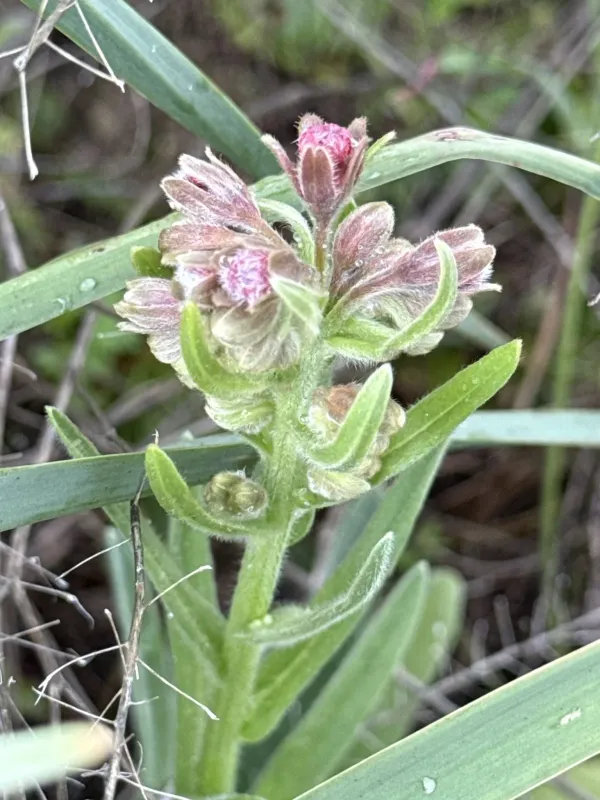
Description
Sowing dates
Cynoglossum clandestinum is a member of the Boraginaceae family. It is a specialized herbaceous plant often studied for its unique botanical traits and potential uses in phytotherapy.
Sowing is typically performed in late autumn to ensure natural stratification of the seeds, which is necessary for uniform germination in the spring. If sowing in the spring, seeds must be chilled beforehand to mimic winter dormancy.
Seeds should be sown at a shallow depth of 1.5 to 2 centimeters. Proper soil-to-seed contact is essential for water uptake, so pressing the soil gently after sowing is recommended for better establishment.
Row spacing should be maintained between 30 and 45 centimeters. This layout provides adequate space for the basal rosette to develop and ensures sufficient airflow, reducing the risk of fungal diseases.
During the first few weeks after sowing, the seedbed must be kept consistently moist. A thin layer of mulch or light cover can help preserve soil humidity and prevent the formation of a surface crust.
Growing requirements
The plant thrives in well-drained, sandy loam soils with a neutral pH level. It is highly sensitive to waterlogging, so choosing a site with excellent natural drainage is a fundamental requirement for successful cultivation.
Cynoglossum clandestinum requires full sun exposure to maintain its vigor. While it can tolerate partial shade, its development and the concentration of secondary compounds are optimal in open, sunlit areas.
Soil fertility requirements are moderate. Incorporating well-rotted organic matter before sowing provides the necessary nutrients for the first season, while excessive chemical fertilizers should be avoided to preserve natural plant composition.
The species is drought-tolerant once fully established, thanks to its deep taproot system. However, during the early stages of growth, regular watering is crucial for achieving high vegetative mass.
The plant is best grown in sites previously used for grain crops or green manure. Avoiding land infested with perennial weeds is critical, as weeding the crop during early stages can be labor-intensive and damaging to the young seedlings.
Main diseases and pests
Wireworms and beetle larvae are the primary soil-dwelling pests that pose a risk to young plants. They feed on the taproot, which can result in sudden wilting and plant mortality, especially during the first growing season.
Powdery mildew is a common fungal issue during periods of high humidity and poor ventilation. Keeping the planting density optimized and removing weeds are effective cultural practices to minimize this threat.
Leaf-feeding insects can cause significant cosmetic and physiological damage. Monitoring the fields regularly allows for early detection, enabling the use of soft biopesticides or manual removal if the infestation is localized.
Root rot is almost always associated with improper soil drainage. When the soil remains saturated for long periods, the roots lose their function, making the plant susceptible to secondary pathogens that are difficult to control.
Strict hygiene in the field is necessary. Removing and destroying infected plant debris prevents the buildup of pathogens in the soil, ensuring that future crops remain healthy and productive.
Harvesting
Harvesting the aerial parts should coincide with the peak flowering period. The plants are mowed or cut manually at a height of about 5–10 centimeters above the ground to facilitate regrowth or clean field conditions.
Post-harvest, the raw material must be dried immediately in a shaded, well-ventilated area. Keeping temperatures below 40 degrees Celsius is essential to preserve the volatile components of the plant.
Roots should be harvested in late autumn when the plant enters dormancy. They must be washed thoroughly to remove all soil and grit, sliced, and dried in specialized equipment until they reach a stable moisture content.
Proper storage involves using breathable containers like paper bags or burlap sacks. The product should be stored in a cool, dark, and dry environment to maintain its quality and potency for several months.
After harvest, deep tillage is recommended to manage any leftover plant residues. This practice also prevents the plant from self-seeding, which could turn the crop into an unwanted volunteer plant in subsequent years.