
Cryptantha gracilis
Cryptantha gracilis
Description
Sowing dates
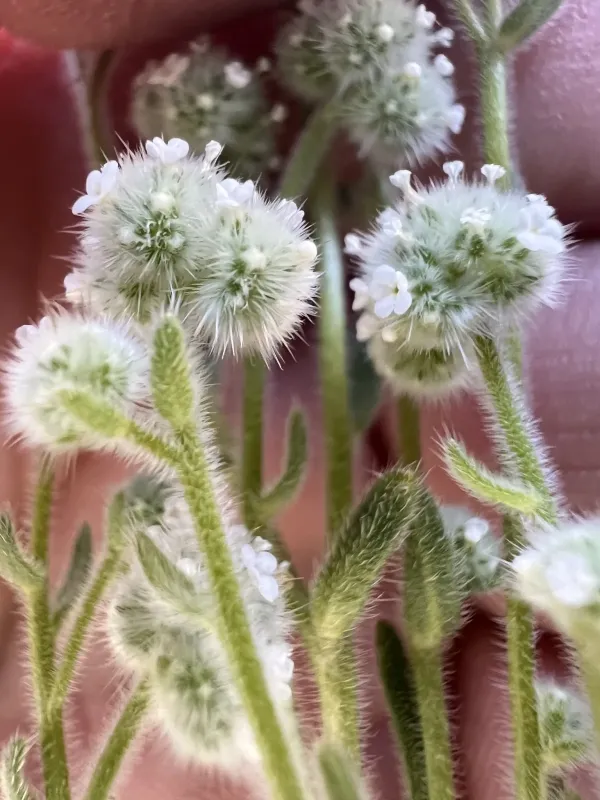
Cryptantha gracilis is an annual plant belonging to the Boraginaceae family. Sowing is typically carried out in early spring to coincide with the natural moisture availability in its native range.
The seeds should be sown in well-drained, sandy soils. Since the seeds are very fine, they require shallow sowing at a depth of about 0.5 centimeters to ensure adequate oxygen access.
For successful establishment, a period of cold stratification can improve germination rates, mimicking the natural winter conditions the seeds experience in the wild.
Spacing between plants should be managed to ensure adequate airflow, which is critical for preventing fungal diseases later in the development cycle of the plant.
Consistent moisture is required immediately after sowing until the seedlings reach the stage of true leaves, after which the plants become significantly more drought-tolerant.
Growing requirements
This species thrives in open, sunny locations with direct sunlight exposure. It is highly adapted to arid environments and struggles in shaded or humid conditions.
Soil requirements focus on excellent drainage; waterlogged soils are detrimental to the roots, which are sensitive to hypoxia caused by excess water saturation.
The plant performs best in neutral to slightly alkaline, rocky, or gravelly substrates that mirror its natural habitat in western North America.
Cryptantha gracilis is remarkably heat-resistant, making it a suitable candidate for xeriscaping or ornamental gardens that require low-water-input species.
Fertilization should be kept to a minimum, as the plant is adapted to nutrient-poor soils; excessive nitrogen will result in weak, spindly growth rather than robust development.
Main diseases and pests
Fungal pathogens such as powdery mildew represent the primary threat to the crop, especially in conditions where air circulation is restricted by overcrowding.
Root rot is a common issue when the drainage capacity of the soil is insufficient, leading to rapid decay of the basal parts of the plant under wet conditions.
Insects like aphids and spider mites can infest the foliage, particularly during extended dry spells, requiring careful monitoring to prevent significant damage.
Weed competition is a significant concern during the early growth stages, as the seedlings grow slowly and can be easily overwhelmed by faster-growing invasive plants.
Integrated pest management strategies, focusing on biological controls and proper site selection, are recommended to maintain the health and vigor of the planting area.