
Cryptantha capitata
Cryptantha capitata
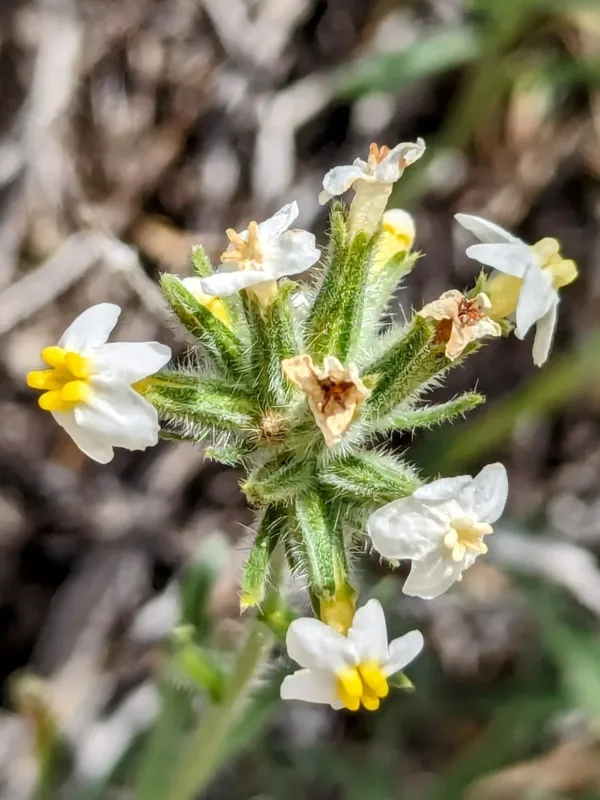
Description
Sowing dates
Cryptantha capitata is an annual herbaceous plant belonging to the Boraginaceae family. Characterized by its specific botanical requirements, it is native to arid and semi-arid environments, which dictates its adaptive responses to cultivation.
Sowing should be scheduled after the last spring frost. The plant prefers warm soil conditions for germination, ideally between 15 and 20 degrees Celsius. Early planting in cold, wet soil often leads to seed rot.
The seeds are small and require shallow burial, typically no deeper than 0.5 centimeters. Maintaining consistent but light moisture is critical until the seedlings emerge, which usually occurs within two weeks under favorable conditions.
For field cultivation, spacing should be carefully managed to ensure adequate airflow. A row spacing of 30 centimeters is recommended to reduce humidity buildup around the foliage and to facilitate ease of management.
It is advised to use high-quality, pre-treated seeds if dormancy is observed, ensuring a more uniform emergence across the field or garden plot.
Growing requirements
This species is highly photophilous and demands full sun exposure throughout the growing season. In adequate light, the plant maintains a compact, healthy growth habit, while low light levels result in etiolation.
Soil drainage is the most vital requirement for successful growth. Cryptantha capitata thrives in sandy or gravelly, well-draining soils that prevent moisture accumulation at the root zone.
As a drought-tolerant species, it does not require frequent irrigation once established. Deep, infrequent watering is preferable to light, shallow sprinkling, as it encourages stronger root system development.
Fertilizer application should be minimal. Excess nitrogen promotes succulent growth that is highly susceptible to pests and diseases, so a balanced, slow-release fertilizer is the safest option if soil analysis indicates a nutrient deficiency.
The plant adapts poorly to regions with high humidity. Therefore, site selection should prioritize areas with good air movement to help dry the foliage after rainfall or dew.
Main diseases and pests
Root rot caused by fungal pathogens is the primary threat to the crop, especially in conditions of poor soil aeration. This is almost always a result of overwatering or poor drainage.
Aphids represent the most significant pest concern, specifically targeting the terminal buds and developing flowers. Regular scouting and immediate intervention help prevent significant colony buildup.
Powdery mildew is a potential issue during periods of high humidity combined with fluctuating temperatures. Maintaining space between plants is the most effective cultural method to mitigate this risk.
Soil-borne nematodes can cause stunted growth, often mimicking nutrient deficiency. Implementing a crop rotation schedule helps reduce the population of these microscopic threats in the soil.
Overall plant health is best maintained through strict sanitation practices, such as removing debris and any infected tissue immediately upon detection, which minimizes the spread of opportunistic pathogens.