
Cryptantha albida
Cryptantha albida
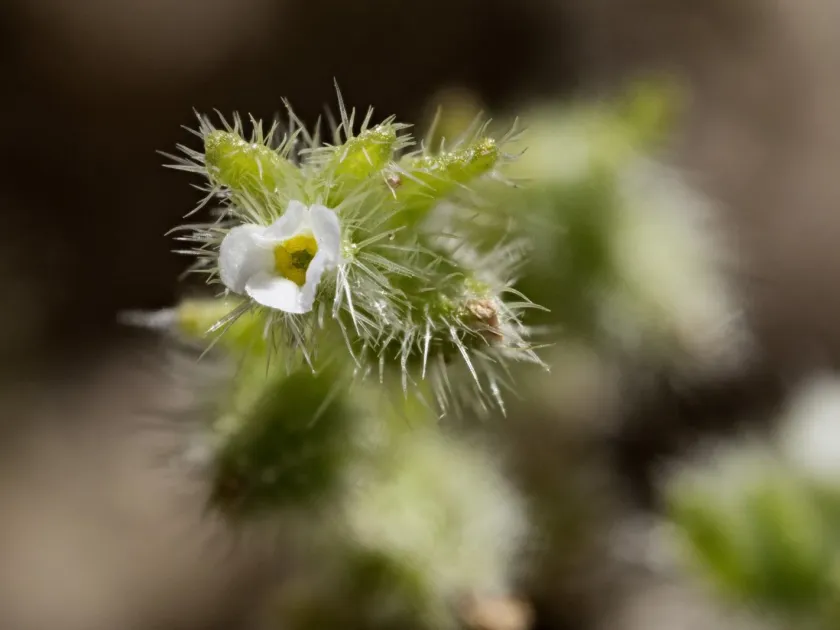
Description
Sowing dates
Cryptantha albida is an ephemeral species, meaning its growth cycle is strictly timed to the availability of moisture in desert environments. Germination occurs rapidly following winter or spring precipitation events.
In terms of propagation, the seeds exhibit primary dormancy. To successfully grow this plant from seeds, cold stratification is often required to simulate the environmental conditions of its natural habitat in the North American deserts.
When sowing, seeds should be placed on the soil surface or covered with a very thin layer of substrate. Exposure to light is a critical trigger for the germination of many species within the Cryptantha genus.
The developmental timeline from seedling emergence to flowering is extremely short. This adaptation allows the plant to complete its reproductive life cycle before the onset of the harsh summer heat.
Ensuring consistent surface moisture during the first few weeks after sowing is essential for establishment. Once the taproot has penetrated the deeper soil layers, the plant becomes highly drought-tolerant.
Growing requirements
This plant thrives in well-drained, sandy, or rocky soils typical of arid regions. It does not tolerate heavy, clay-rich soils that retain excess moisture, as these promote root diseases and oxygen deficiency.
Full sun exposure is an absolute necessity for Cryptantha albida. Any degree of shade will inhibit its growth, reduce the size of the inflorescences, and eventually lead to the plant's demise.
The species is well-adapted to wide temperature fluctuations between day and night. It prefers moderate spring temperatures, ranging from 15 to 25 degrees Celsius, to support active vegetative growth.
Soil nutrient levels should be relatively low. The plant has evolved to survive in nutrient-poor environments and typically reacts poorly to high concentrations of synthetic fertilizers, especially nitrogen.
Water management is the most important aspect of its cultivation. The soil should be allowed to dry out completely between occasional watering sessions to replicate the natural cycle of the desert climate.
Main diseases and pests
The primary threat to the health of Cryptantha albida is fungal pathogens caused by high humidity. Root rot, caused by excessive soil moisture, is the most common cause of premature death.
While generally resistant to pests, spider mites can become an issue in hot, dry conditions. These small pests colonize the leaves, causing tissue damage and reducing the overall photosynthetic capacity of the plant.
Aphids are occasional threats, especially during the flowering stage. If they infest the developing flower buds, the plant may fail to produce viable seeds, which is detrimental to the survival of the annual population.
Invasive weeds pose a significant competition risk. Because this plant has a delicate root system and slow initial growth, clearing the area of surrounding weeds is essential for its success in a managed setting.
Soil-dwelling larvae can sometimes damage the crown or roots of the plant. Regular visual inspections are recommended to ensure that the base of the plant remains healthy and free from feeding insects.