
Cynoglossum enerve
Cynoglossum enerve
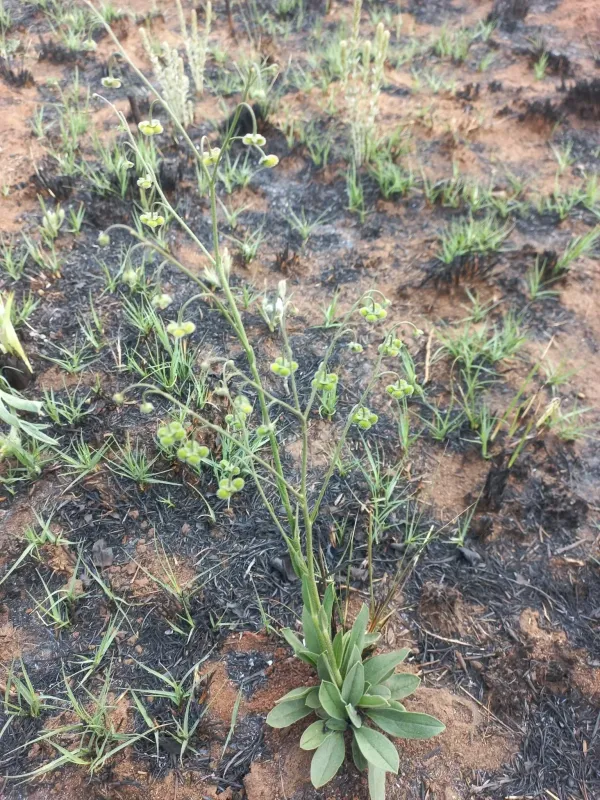
Description
Sowing dates
Sowing Cynoglossum enerve should ideally take place in early spring as soon as the soil has sufficiently thawed and warmed up to the recommended temperature levels.
The seeds require a precise planting depth, usually around 1.5 to 2 centimeters, to balance the need for moisture retention and the necessity of light for early development.
Adequate row spacing, typically between 45 and 60 centimeters, is crucial for machinery access and plant health, allowing for proper aeration of the field.
Pre-sowing treatment of seeds, such as cold stratification, can significantly increase the germination percentage and ensure a more synchronized emergence of seedlings.
After sowing, maintaining consistent moisture levels during the critical seedling stage is the best way to guarantee a strong and uniform plant population.
Growing requirements
Cynoglossum enerve is a member of the Boraginaceae family and is well-adapted to environments that offer plenty of direct sunlight and well-drained soil conditions.
It performs exceptionally well in sandy or loamy soils with a neutral pH level, demonstrating high resilience to varying soil fertility profiles throughout the growing season.
The plant is noted for its drought tolerance, which makes it a sustainable crop choice for regions that experience intermittent rainfall and hot summer periods.
Proper soil management, including regular weeding and shallow cultivation, helps maintain soil structure and promotes healthy root development for the perennial parts.
While the plant is hardy, it benefits from moderate nutrient management, avoiding excessive nitrogen applications which can lead to rapid, weak vegetative growth.
Main diseases and pests
Disease management in Cynoglossum enerve is largely focused on preventing fungal infections that flourish in high-humidity or poorly ventilated cultivation settings.
Root rot is a primary concern for growers in heavier soil types where poor drainage creates an anaerobic environment unfavorable for the plant's health.
Various insect pests, including aphids and leaf-eating beetles, may occasionally attack the foliage, necessitating vigilant monitoring during the active growth phases.
Integrated pest management strategies are recommended, prioritizing cultural practices like crop rotation to break the life cycles of common field pathogens.
- Root rot pathogens
- Powdery mildew
- Aphids
- Leaf beetles