
Cryptantha glomeriflora
Cryptantha glomeriflora
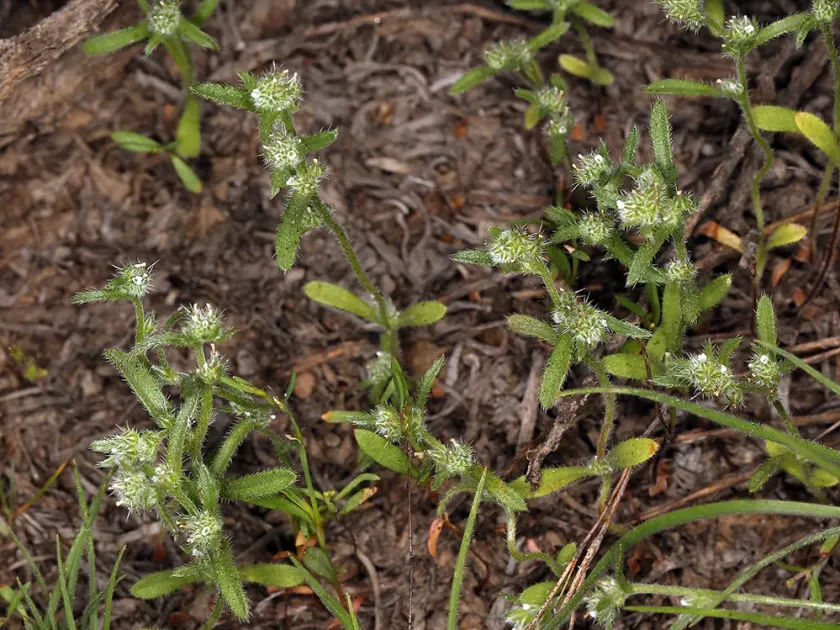
Description
Growing requirements
Cryptantha glomeriflora is a perennial herbaceous plant belonging to the Boraginaceae family. This species is known for its distinct inflorescence structure, where flowers are arranged in dense clusters, which is a characteristic feature for identifying the species within its genus.
The native distribution of this plant is centered in arid and semi-arid regions, where it occupies well-drained, sandy, or rocky soil substrates. It is a highly specialized xerophyte that has evolved to thrive in environments with limited water availability and high solar radiation.
Cultivation requirements for this species focus heavily on soil aeration and drainage. Growers must ensure that the substrate mimics the plant's natural habitat; heavy clay soils should be avoided, as they inhibit root respiration and lead to rapid decline of the specimens due to pathogenic fungal growth.
The climate requirements include a significant need for direct sunlight and protection from high humidity. Optimal growth is observed in regions where temperature cycles allow for warm, dry days and relatively cool nights, which supports the plant's natural metabolic rhythm and reproductive success.
While Cryptantha glomeriflora is not widely cultivated as a commercial agricultural crop, it remains a subject of research in the context of xeriscaping and biodiversity conservation. Its biological traits provide valuable insights for potential agricultural applications involving drought-tolerant vegetation in marginal lands.