
Cynoglossum glochidiatum
Cynoglossum glochidiatum
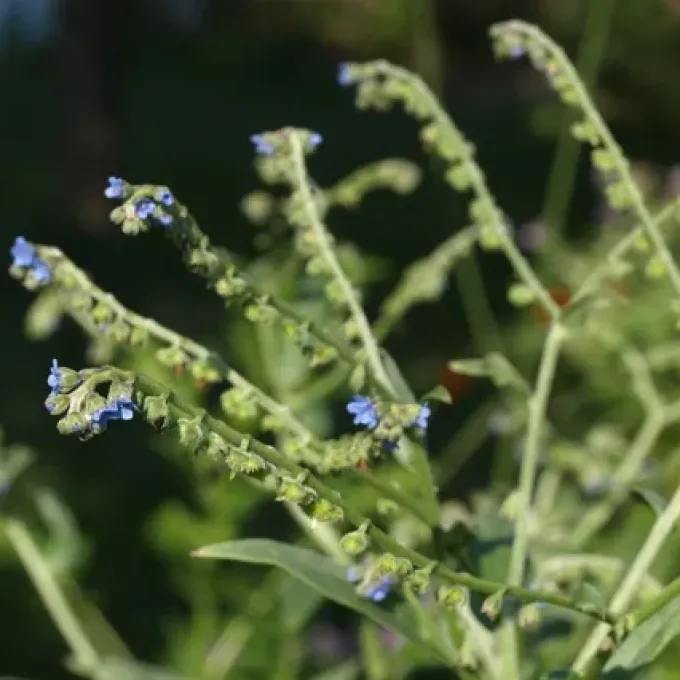
Description
Growing requirements
Cynoglossum glochidiatum is a herbaceous plant belonging to the Boraginaceae family. It is typically found in temperate regions, where it adapts well to diverse environmental conditions, provided that the soil offers adequate drainage to prevent waterlogging.
The plant thrives in fertile, loamy soils with a neutral pH. Proper soil preparation, including deep tilling and organic amendment, is essential to establish a robust root system capable of accessing nutrients and maintaining vitality during the growing season.
Optimal climatic conditions for this crop involve moderate sunlight and consistent moisture. While the plant is hardy, it benefits significantly from sheltered locations that prevent mechanical damage from strong winds during the flowering stage.
Agrotechnical management requires precise irrigation schedules. The use of drip irrigation systems is highly recommended to maintain soil moisture levels that support steady biomass accumulation without inducing root rot diseases.
Spacing is a critical factor for success. Overcrowding can lead to poor air circulation, which increases the susceptibility of the plants to various environmental stressors and pathogens. Following recommended planting density ensures optimal development of each individual plant.
Main diseases and pests
Fungal infections, particularly powdery mildew, are the primary disease threats. These pathogens flourish in conditions of high humidity combined with poor ventilation, covering the leaves in a whitish film and inhibiting the plant's photosynthetic capabilities.
Aphids and various leaf-eating beetles are common pests that target the foliage. Integrated pest management strategies, such as introducing beneficial predatory insects, are highly effective in controlling these populations without chemical intervention.
Soil-borne pests like wireworms can pose a significant challenge if the field was previously used for sod-forming crops. Pre-planting field assessment and deep plowing help in mitigating these risks before the crop is sown.
Disease prevention strategies prioritize sanitation. Removing and destroying affected plant parts immediately upon detection prevents the spread of spores and keeps the surrounding healthy plants protected throughout the growing cycle.
Chemical control should be avoided when possible to maintain the purity of the crop. Utilizing organic fungicides and adopting strict crop rotation schedules (avoiding other Boraginaceae species as predecessors) significantly improves the overall health of the agricultural plot.