
Cryptantha caespitosa
Cryptantha caespitosa
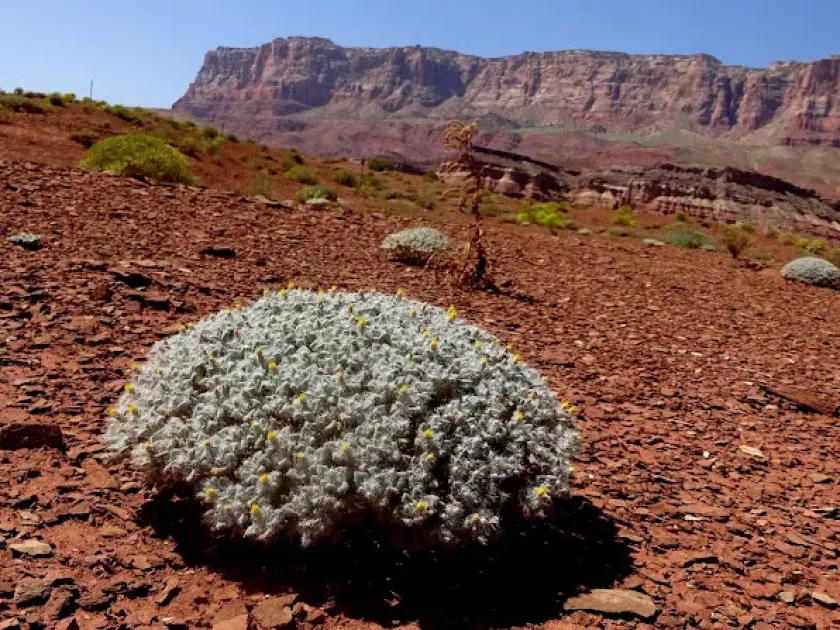
Description
Growing requirements
Cryptantha caespitosa is a perennial herbaceous plant belonging to the Boraginaceae family. In an agronomic context, the crop is recognized as a specialized representative of the flora in arid regions of North America, specifically within Wyoming and Montana.
Biologically, the crop is adapted to the extreme conditions of high-altitude plateaus and desert landscapes. The plant forms dense, cushion-like mats consisting of basal leaf rosettes, which allows it to efficiently retain moisture and minimize transpiration in high-wind environments.
For optimal development, Cryptantha requires extremely poor, well-drained limestone or sandy soils with low organic content. The plant exhibits high sensitivity to moisture stagnation, making the provision of excellent drainage in the root zone critical for its long-term survival.
Climate requirements include high levels of solar radiation and tolerance for sharp diurnal temperature fluctuations. In its natural habitats, the crop is adapted to harsh winters with frozen ground and long periods of summer drought, which makes it a subject of interest for breeding in arid regions.
The economic use of the crop is currently limited primarily to botanical gardens and specialized nurseries for the restoration of degraded ecosystems or as a decorative groundcover for rock gardens. It is not currently cultivated in large-scale agriculture due to its highly specific microclimatic requirements.