
Cryptantha fendleri
Cryptantha fendleri
Description
Growing requirements
Cryptantha fendleri is an annual herbaceous plant belonging to the Boraginaceae family. Native to the arid regions of North America, this species is well-adapted to surviving in harsh environments with minimal rainfall and extreme temperature fluctuations.
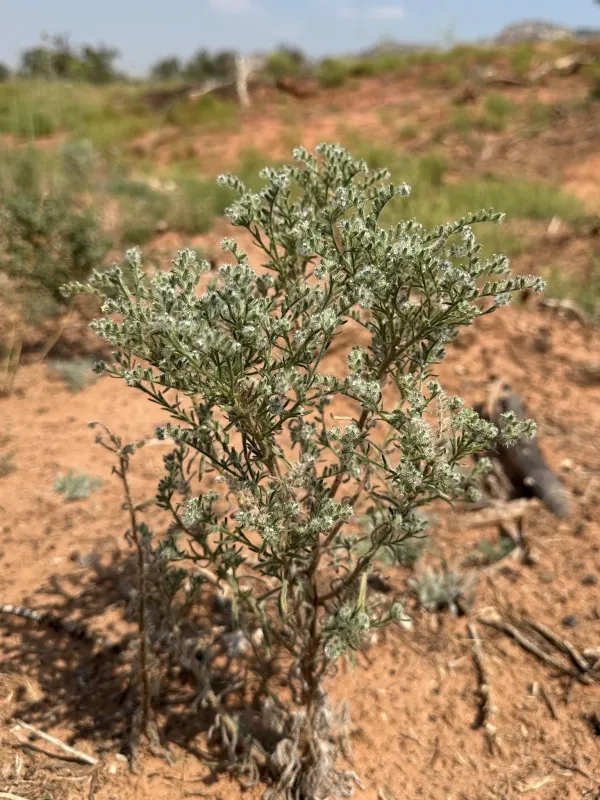
Botanically, the plant is characterized by a deep taproot system designed to access limited subterranean water. The stem and leaves possess stiff, bristly hairs that act as a protective layer, effectively reducing transpiration and shielding the plant from intense solar radiation.
The cultivation of this species demands extremely well-drained soils, preferably sandy or stony substrates. It is highly sensitive to waterlogging, as excessive moisture in the root zone quickly triggers decay and fungal issues that are detrimental to its growth cycle.
The climate requirements for optimal performance include full sun exposure and a dry environment. The plant thrives in areas where high daytime temperatures are typical, as it is an obligate xerophyte that struggles in humid or temperate climates with consistent moisture.
In terms of agricultural utility, Cryptantha fendleri is primarily utilized for land stabilization. Its root network is highly effective at binding loose, sandy soils, making it a valuable candidate for mitigating wind erosion in sensitive desert ecosystems.
Main diseases and pests
The primary threat to the stability of Cryptantha fendleri populations is the alteration of soil hydrology. Even brief periods of waterlogged soil can lead to systemic root rot, which is the most significant cause of mortality in cultivated samples.
Pests such as specialized beetles may occasionally feed on the foliage. However, the dense coverage of coarse, stiff trichomes (hairs) on the stems serves as a significant deterrent, limiting the impact of common herbivorous insects.
Competition from invasive plant species is a critical factor affecting development. Because the plant grows slowly in its initial stages, it is easily outcompeted by fast-growing weeds that occupy the same space and block essential sunlight.
Bacterial pathogens may occasionally arise in instances of overcrowding. Proper spacing is essential to ensure adequate airflow, which keeps the foliage dry and minimizes the risk of opportunistic disease outbreaks in the plantation.
Currently, there is no standardized chemical treatment for diseases in this species. The best agronomic practice remains maintaining an environment that mimics its natural habitat, emphasizing natural drainage and sparse plant population density.