
Cynoglossum cheirifolium
Cynoglossum cheirifolium
Description
Growing requirements
Cynoglossum cheirifolium is a herbaceous perennial plant belonging to the Boraginaceae family. Originally from the Mediterranean basin, this species is well-adapted to habitats characterized by poor, rocky soils and high solar radiation throughout the growing season.
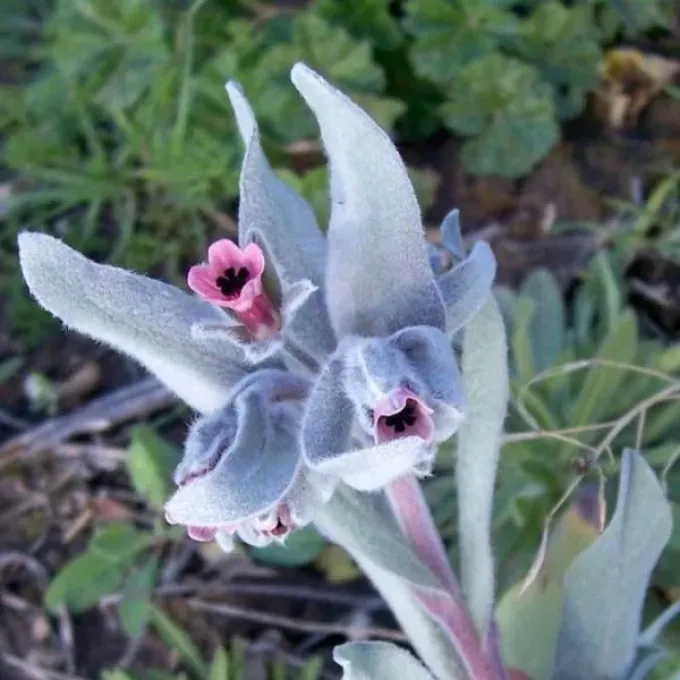
The plant is botanically recognized by its dense silver-grey pubescence covering the leaves, which serves as a natural defense against excessive transpiration. This feature not only provides a unique aesthetic appeal but also contributes to the plant's high drought tolerance.
Successful cultivation of Cynoglossum cheirifolium requires well-drained, neutral to alkaline soil conditions. It is essential to ensure that the site does not accumulate moisture during the winter months, as stagnant water is the primary factor leading to root mortality.
In terms of agricultural practice, the species prefers full sun and open exposure. It does not require frequent irrigation once established, making it a sustainable choice for xeriscaping projects or low-maintenance ornamental gardens that emulate Mediterranean landscapes.
This plant is primarily utilized for its foliage effect in garden design. It serves as an excellent companion plant for other xerophytic perennials, offering a subtle color palette that complements vibrant floral displays in rock gardens and herbaceous borders.
Main diseases and pests
The most significant pathological threat to this species is the development of fungal infections caused by excessive humidity. Powdery mildew is frequently observed during cool, damp spells, appearing as a white dusty growth on the leaf surfaces.
Root rot is a critical threat that typically results from improper site selection or heavy, non-porous soil textures. Once the root system begins to decay due to anaerobic conditions, the plant usually suffers irreversible damage, making soil preparation paramount.
Aphid infestations represent the primary biological threat during the spring growth phase. These insects cluster on the developing flower stalks and young foliage, potentially stunting growth and creating entry points for secondary viral or fungal infections.
Spider mites are another concern, particularly in hot and arid environments where the plant is already under stress. They cause leaf discoloration and damage to the protective silver hairs, significantly reducing the plant's visual appeal and vigor.
Management of these threats involves routine observation and the application of integrated pest management strategies. Maintaining optimal spacing between plants is highly recommended to improve airflow and minimize the impact of various pests and diseases.