
Cryptantha
Cryptantha abata
Description
Growing requirements
Cryptantha (Cryptantha abata) is a herbaceous plant belonging to the Boraginaceae family. It is a crop species adapted to specific environmental conditions, primarily those found in arid and semi-arid regions where water availability is a limiting factor for traditional farming.
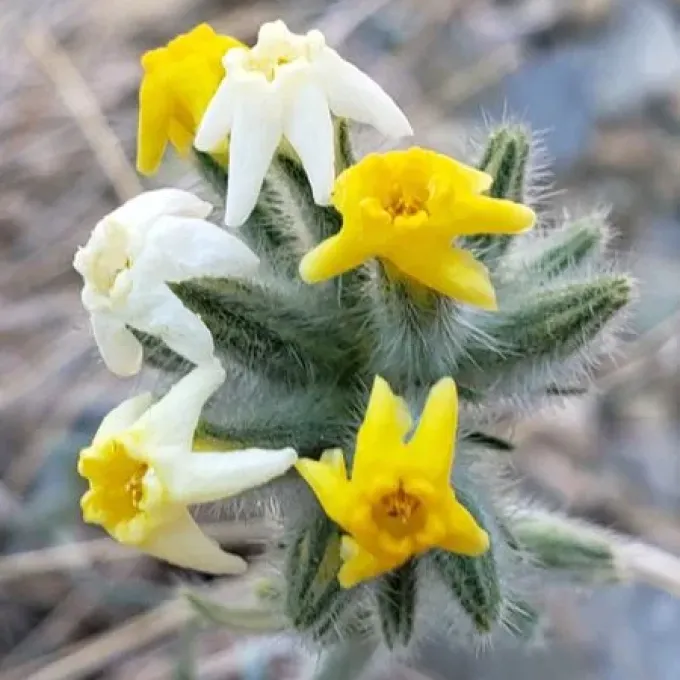
Botanically, the plant is characterized by its stiff trichomes (hairs) covering the leaves and stems, which significantly reduce water loss through transpiration. Its root system is relatively shallow but efficient, allowing the plant to survive in environments where soil moisture fluctuates rapidly.
The crop thrives in well-drained, porous soils with a neutral or slightly alkaline pH. In terms of agronomy, the soil must provide adequate aeration, as the plant is highly sensitive to root asphyxiation caused by waterlogged conditions.
Climatic requirements for Cryptantha include high light intensity and long daylight hours. It is well-suited for hot, dry climates where heat tolerance is a necessary trait for successful growth and development throughout the vegetative cycle.
Regarding its economic utility, Cryptantha is currently being evaluated for its potential in dryland restoration and sustainable agriculture. Its hardiness makes it a subject of interest for agronomists looking to diversify crop production in arid environments.
Main diseases and pests
The primary threats to Cryptantha production are fungal pathogens associated with soil moisture imbalances. Excessive humidity often leads to root and crown rot, which are the most destructive diseases for this species under field conditions.
Insects, particularly aphids and other sap-sucking pests, pose a significant risk by weakening the plant and potentially transmitting viral agents. Integrated pest management (IPM) is essential to maintain plant health and reduce the need for chemical intervention.
Effective management strategies include the implementation of proper crop rotation to break pest and pathogen life cycles. Providing adequate spacing between plants also helps improve airflow, which inherently reduces the pressure from fungal diseases.
Monitoring the fields for signs of stress or infestation during the early vegetative stage is crucial for successful yields. Early detection enables localized interventions, which are more cost-effective and environmentally friendly than large-scale applications.
Seed treatment serves as a primary defense strategy against soil-borne pathogens. By ensuring that the seeds are disease-free at the time of sowing, farmers can significantly improve the success rate of crop establishment and reduce the risk of early-season losses.