
Cryptantha affinis
Cryptantha affinis
Description
Growing requirements
Cryptantha affinis is an annual herb that belongs to the Boraginaceae family. While not a conventional agricultural crop, it is a significant species in the study of native plant ecology and restoration of dryland ecosystems in western North America.
The native range of the species is primarily located in western North America, particularly in regions with arid or semi-arid climates. It is frequently found in open, gravelly, or sandy areas that mimic its natural mountainous or valley habitats.
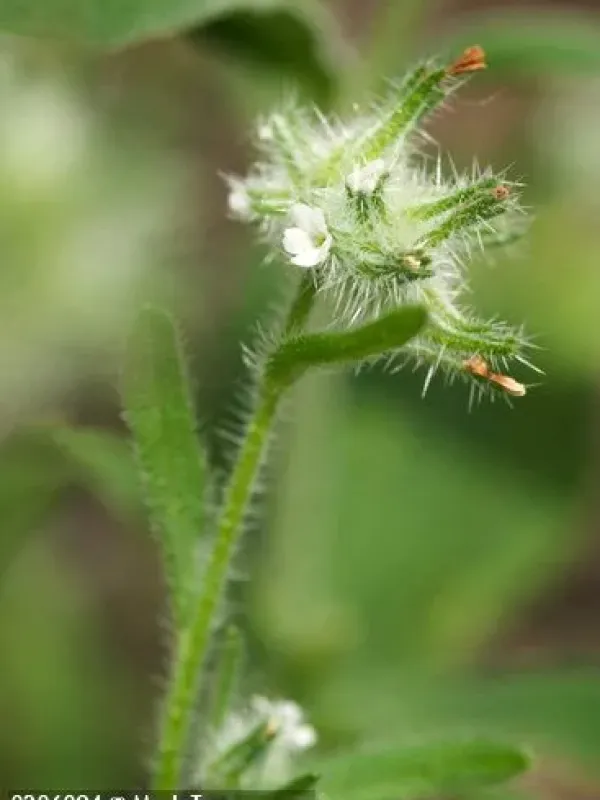
Botanically, the plant is distinguished by its upright stem and harsh, stiff hairs that cover the entire plant surface. This pubescence serves as a structural adaptation to reduce water loss through transpiration, which is crucial for survival in its arid environment.
The plant thrives in well-drained, nutrient-poor soils. It has a high tolerance for gravelly or sandy substrates where competition for moisture is limited. Its root system is designed to exploit sporadic rainfall, making it highly efficient in nutrient uptake during short growing seasons.
The cultivation requirements focus on mimicking its natural light exposure, as it requires full sun to maintain healthy photosynthesis and reproductive growth. Limited shade and high air circulation are essential to prevent the accumulation of moisture on foliage.
Main diseases and pests
The primary threats to Cryptantha affinis include fungal pathogens that thrive in microenvironments with trapped moisture. Root and stem rots are the most common diseases, especially when soil drainage is insufficient or humidity levels spike unexpectedly.
Insects such as mites and certain beetles can cause stress to the plant by feeding on the leaves. However, the plant's coarse hairs provide a level of physical defense that prevents many generalist insects from successfully feeding on it.
Invasive weed species pose a major threat by outcompeting Cryptantha affinis for limited ground space and solar resources. Because the plant is often small and slow-growing compared to invasive annuals, it is easily suppressed.
Human activities, such as intensive grazing or soil disturbance, can lead to the localized decline of the population. The plant's reliance on a specific soil structure makes it vulnerable to physical degradation of its habitat.
Climate change, manifesting as prolonged droughts followed by intense moisture events, disrupts the natural phenology of the species. Such changes can prevent the plant from completing its life cycle before the onset of extreme weather conditions.