
Cynoglossum columnae
Cynoglossum columnae
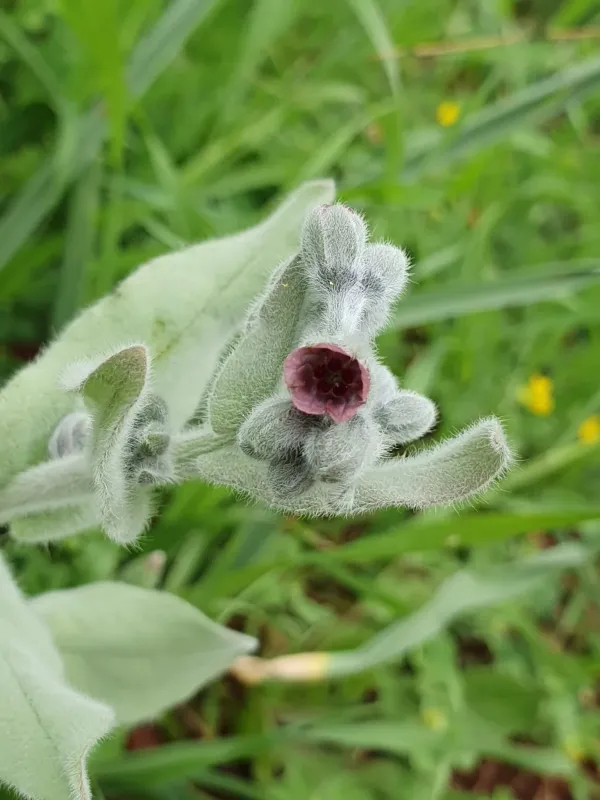
Description
Sowing dates
Cynoglossum columnae is a biennial herbaceous plant belonging to the Boraginaceae family. In agricultural practices, seeds are typically sown in late autumn or early spring to allow for natural stratification, which is essential for ensuring uniform germination.
The seeds should be planted at a shallow depth of approximately 2 to 3 centimeters in well-drained, nutrient-rich soil. Proper seedbed preparation is vital to facilitate the emergence of seedlings and prevent soil crusting that could inhibit growth.
During the first year of development, the plant focuses on establishing a robust basal rosette of leaves. This vegetative phase is crucial as the plant builds up energy reserves in its deep taproot to support the second-year reproductive cycle.
Row spacing is generally maintained between 50 and 60 centimeters, allowing for sufficient space for development and equipment passage during mechanical maintenance. High-density planting is avoided to ensure adequate air circulation between individual plants.
Effective weed control during the establishment phase is essential, as the young rosettes can be outcompeted by aggressive weeds. Integrated pest management strategies should be applied from the early stages to secure optimal plant population density.
Growing requirements
This species thrives in sunny locations with well-drained, loose soil, preferably of sandy loam or silty composition. While it demonstrates significant drought tolerance, consistent moisture during the peak growth phases will significantly increase total biomass yield.
The ideal soil pH for this culture ranges from neutral to slightly alkaline. In acidic environments, pre-planting liming is required to improve soil structure and nutrient availability, which are vital for the proper physiological development of the plant.
As a hardy biennial, the plant shows excellent cold tolerance, allowing it to survive harsh winters in temperate climates without additional protective measures. The ability to endure seasonal temperature fluctuations makes it a resilient choice for outdoor cultivation.
Good drainage is the most critical requirement for preventing root-related pathogens. High water tables or heavy, clay-rich soils that retain excess moisture should be avoided to prevent fungal infections and root rot.
Nutrient management involves balanced fertilization, focusing on phosphorus and potassium to encourage root development and secondary metabolite accumulation. Excessive nitrogen applications should be avoided to prevent rank, weak vegetative growth.
Harvesting
Harvesting the aerial parts is conducted at the peak of the flowering period when the concentration of bioactive compounds is at its highest. Mechanical harvesting involves mowing the plants at a specific height to ensure purity and quality of the raw material.
Roots are harvested at the end of the second year of cultivation, typically in the autumn. Using deep-digging equipment ensures that the valuable taproot is extracted intact, as the root system holds significant medicinal value for downstream processing.
Post-harvest processing requires immediate cleaning and shade drying in well-ventilated areas to prevent degradation of organic compounds. Proper airflow is essential to reduce moisture content quickly and effectively without exposing the biomass to direct heat.
After the drying process, the raw material undergoes grading and sizing according to pharmaceutical quality standards. Maintaining hygienic conditions during processing is imperative to meet the stringent requirements of the herbal industry.
Seed harvesting should be timed carefully to coincide with the maturity of the nutlets, as they are prone to natural dispersal. Early or selective harvesting techniques help minimize yield loss and ensure a sustainable supply of seeds for the next cycle.