
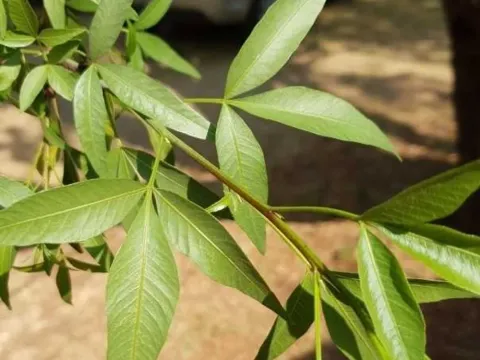
Searsia
Searsia
Searsia is a genus within the Anacardiaceae family, formerly associated with the genus Rhus. These plants are widely recognized for their resilience and ability to thrive in harsh environments, making them popular in both landscaping and restoration projects.
What the section contains
 Common currant-rhus
Searsia pyroides
Common currant-rhus
Searsia pyroides
 Nanaberry
Searsia dentata
Nanaberry
Searsia dentata
 Natal currant
Searsia natalensis
Natal currant
Searsia natalensis
 Searsia burchellii
Searsia burchellii
Searsia burchellii
 Searsia chirindensis
Searsia chirindensis
Searsia chirindensis
 Searsia crenata
Searsia crenata
Searsia crenata
 Searsia discolor
Searsia discolor
Searsia discolor
 Searsia engleri
Searsia engleri
Searsia engleri
 Searsia erosa
Searsia erosa
Searsia erosa
 Searsia glauca
Searsia glauca
Searsia glauca
 Searsia guenzii
Searsia guenzii
Searsia guenzii
 Searsia incisa
Searsia incisa
Searsia incisa
 Searsia laevigata
Searsia laevigata
Searsia laevigata
 Searsia lancea
Searsia lancea
Searsia lancea
 Searsia leptodictya
Searsia leptodictya
Searsia leptodictya
 Searsia nebulosa
Searsia nebulosa
Searsia nebulosa
 Searsia pentaphylla
Searsia pentaphylla
Searsia pentaphylla
 Searsia rehmanniana
Searsia rehmanniana
Searsia rehmanniana
 Searsia tenuinervis
Searsia tenuinervis
Searsia tenuinervis
 Searsia tripartita
Searsia tripartita
Searsia tripartita
 Searsia tumulicola
Searsia tumulicola
Searsia tumulicola
 Searsia undulata
Searsia undulata
Searsia undulata
 Searsia zeyheri
Searsia zeyheri
Searsia zeyheri
 Shining currant
Searsia lucida
Shining currant
Searsia lucida
 White karee
Searsia pendulina
White karee
Searsia pendulina
 Woolly currant rhus
Searsia tomentosa
Woolly currant rhus
Searsia tomentosa
Searsia
The culture thrives in well-drained soil types, ranging from sandy to loamy textures. It is notably drought-tolerant, which makes it an excellent candidate for xeriscaping and areas where water resources are restricted.
Sunlight requirements are high, as Searsia performs best in full sun exposure. Inadequate light levels often result in leggy growth and reduced vigor, which negatively impacts the plant's ornamental value.
Climatic adaptability is one of the key features of Searsia, as it is native to regions with varied subtropical conditions. It requires excellent soil aeration and is highly sensitive to waterlogged conditions, which can lead to root damage.
Agronomic practices involve minimal intervention. Post-planting care should focus on establishing a strong root system through initial irrigation, followed by periodic maintenance pruning to manage the plant's shape and health.
The primary threats to Searsia health are fungal diseases that target the root system. These infections are almost exclusively associated with improper soil drainage and excessive moisture accumulation.
Insect pests such as aphids and various leaf-chewing larvae can cause damage to new foliage. Consistent monitoring is essential during the active growing season to detect these pests early.
Cultural control is the best management strategy. This includes selecting sites with excellent drainage, avoiding overcrowding, and ensuring that the plants have adequate airflow to prevent fungal proliferation.
In cases of significant pest outbreaks, targeted applications of systemic insecticides can provide effective control without harming the overall health of the shrub.
Environmental stress, particularly extreme frost, can also pose a risk to younger plants, necessitating some level of protection during the initial years of establishment in temperate climates.