
Searsia nebulosa
Searsia nebulosa
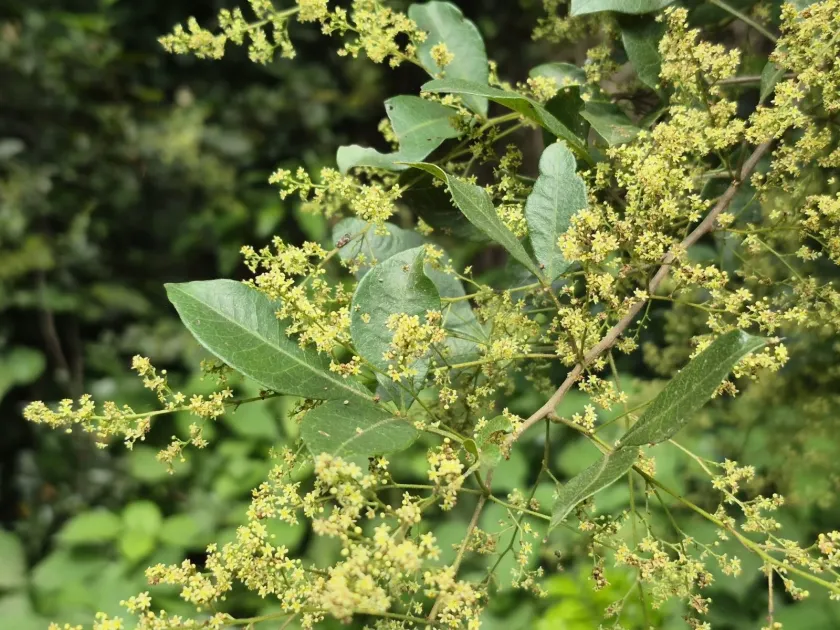
Description
Growing requirements
Searsia nebulosa, commonly known as a type of currant-rhus, is an evergreen shrub belonging to the Anacardiaceae family, native to the coastal regions of Southern Africa.
This species thrives in environments characterized by mild winters and high sunlight exposure, often appearing in scrublands and woodland margins in its natural range.
The plant prefers well-draining, slightly acidic to neutral soils and displays remarkable resilience against poor soil conditions once it is fully established.
While it prefers consistent moisture, it possesses a degree of drought tolerance, making it an excellent choice for xeriscaping in suitable climatic zones.
Maintenance is straightforward, focusing on occasional pruning to encourage dense branching and maintaining soil structure through organic mulching.
Main diseases and pests
Common pests affecting Searsia nebulosa include aphids, which tend to congregate on tender new growth and can stunt the development of young foliage.
Scale insects can also pose a problem, attaching themselves to the stems and leaves, extracting nutrients and potentially leading to a decline in plant vigor.
Root rot is a significant threat in areas with poor drainage or during prolonged periods of waterlogging, which compromises the integrity of the root system.
Fungal leaf spots can develop in environments with limited airflow or excessive humidity, requiring proper spacing between plants to prevent spread.
Integrated pest management strategies, such as introducing beneficial insects and ensuring proper plant spacing, are effective in controlling these threats.