
Woolly currant rhus
Searsia tomentosa
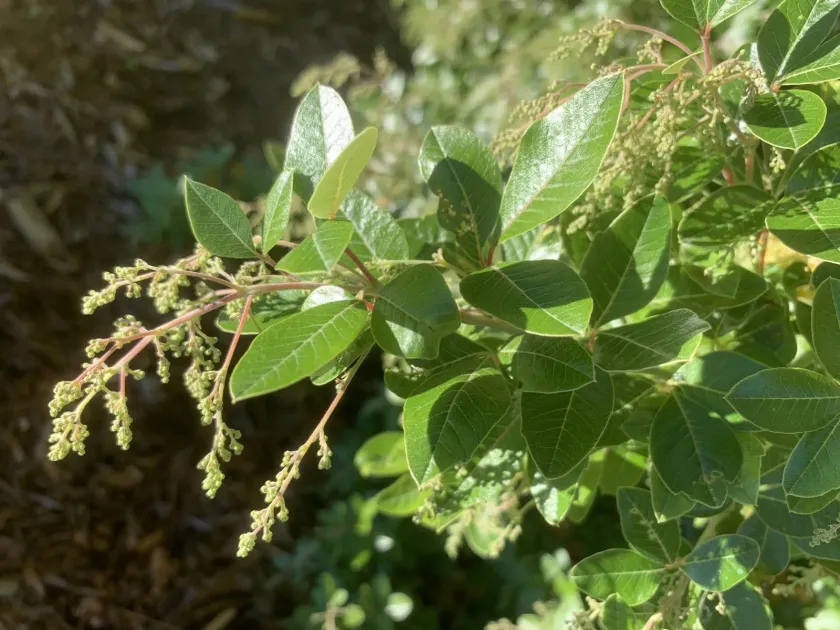
Description
Growing requirements
Woolly currant rhus (Searsia tomentosa), formerly known as Rhus tomentosa, is a hardy evergreen shrub belonging to the Anacardiaceae family.
Native to the eastern parts of South Africa, this plant thrives in diverse habitats including forest fringes, rocky outcrops, and coastal grasslands.
The plant requires well-drained, fertile soil to ensure optimal root development and long-term health in a garden or nursery setting.
It prefers full sun exposure to maintain its characteristic dense growth and to produce its signature velvety foliage, though it can tolerate partial shade.
Environmental conditions play a major role in its growth, as the species is adapted to mild climates and requires protection from extreme frost during the early years.
Yield
This shrub is highly valued for its ecological contribution, as it serves as a pioneer species that helps stabilize soil and prevent erosion in degraded areas.
The small fruits produced by the plant are a vital food source for various bird species, playing a crucial role in local ecosystem biodiversity.
In landscaping, Searsia tomentosa is utilized for creating thick, natural hedges that provide shelter for small fauna and enhance visual interest.
Its timber is often used for small-scale craftsmanship, while the plant remains popular in sustainable gardening due to its low water requirements once established.
The medicinal properties of the plant, often noted in folk knowledge, add to its cultural importance in its native regions as a traditional remedy.
Main diseases and pests
Woolly currant rhus is generally resistant to many pests and diseases, which makes it an excellent choice for low-maintenance landscaping projects.
However, excessive humidity in poorly ventilated areas can lead to fungal issues such as leaf spot or mildews, which should be managed with proper pruning.
Root rot remains a potential threat if the plant is grown in heavy, waterlogged soils, making proper soil preparation a primary preventative measure.
Insects like aphids may occasionally affect young growth, but they rarely pose a threat to the overall survival of mature, well-established shrubs.
Regular monitoring and thinning of the canopy help maintain air circulation, which is the most effective way to prevent the development of common fungal threats.