
Searsia guenzii
Searsia guenzii
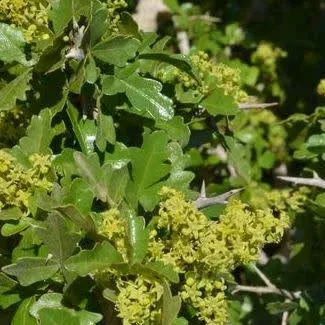
Description
Growing requirements
Searsia guenzii, belonging to the Anacardiaceae family, is a robust shrub native to the diverse landscapes of Southern Africa. It is recognized for its ecological importance and its ability to thrive in a variety of soil types.
The species is particularly noted for its drought tolerance once established, making it a sustainable choice for landscapes in arid or semi-arid regions.
Optimal growth conditions require full sun exposure, although the plant shows remarkable versatility in adjusting to partial shade conditions in natural habitats.
Soil requirements focus primarily on drainage; while it can adapt to various pH levels, ensuring that the root system does not remain waterlogged is crucial for its longevity.
Maintenance practices are minimal, usually consisting of selective pruning to maintain structural integrity and encouraging the development of a lush, dense canopy.
Main diseases and pests
This species possesses strong natural defenses, resulting in a low incidence of serious diseases under standard cultivation practices.
Potential threats include common insect pests such as aphids or scale insects, which may appear during periods of environmental stress or poor ventilation.
Root rot is the most significant threat to Searsia guenzii, typically occurring only in conditions where soil drainage is severely compromised or irrigation is excessive.
Integrated pest management techniques, such as manual removal of infested shoots and ensuring proper plant spacing, are generally sufficient to manage minor outbreaks.
Good agricultural practices, including mulching and controlled nitrogen application, help keep the plant in a vigorous state, effectively reducing susceptibility to opportunistic pathogens.