
Searsia tumulicola
Searsia tumulicola
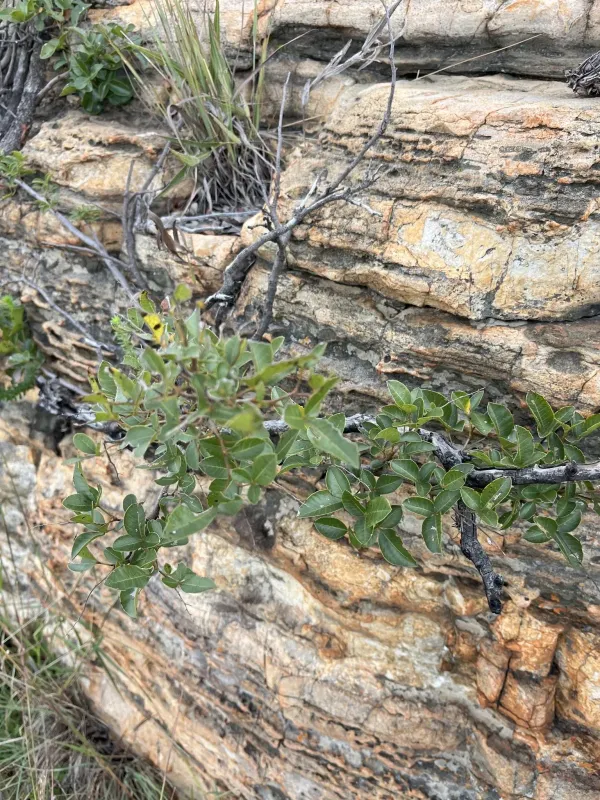
Description
Growing requirements
Searsia tumulicola, a prominent member of the Anacardiaceae family, is a resilient shrub or small tree native to the diverse landscapes of tropical and subtropical Africa.
This species is well-adapted to rocky terrains and hilly habitats, showcasing significant drought resistance and high adaptability to challenging environmental conditions.
The plant thrives best in well-drained, sandy or loamy soils, making it an excellent candidate for marginal lands where traditional agricultural crops often fail.
In terms of climatic requirements, it prefers full sun exposure and warm temperatures, exhibiting tolerance to both arid seasons and occasional frost depending on the specific altitude.
Agronomic management involves minimal intervention, primarily focusing on maintaining proper soil aeration and avoiding waterlogging, which can be detrimental to young saplings.
Harvesting
The economic and agricultural utility of Searsia tumulicola lies primarily in soil stabilization and its contribution to biodiversity within reforestation projects.
Its dense foliage provides essential shade and shelter for local fauna, playing a crucial role in maintaining ecological balance in restored arid environments.
The fruit of the plant serves as a significant food source for birds, which facilitates the natural dispersal of seeds and supports the ecosystem's food web.
Local communities often utilize parts of the plant for traditional crafts and as a source of dye, showcasing the versatility and multi-purpose potential of this species.
Harvesting for conservation purposes typically involves collecting seeds once they have matured, ensuring that the genetic diversity of the population is preserved for future cycles.